This was the reality for Jessica, who was a victim of identity theft when her wallet (and identity) was stolen at a San Francisco bar in 2018.
But identity theft extends beyond our physical possessions. Our growing reliance on digital transactions increases the threat posed by online fraud. For example, the Federal Trade Commission (FTC) has recorded nearly 700,000 complaints about credit card fraud alone.
Fortunately, affordable identity theft protection services offer a practical way to monitor online activity in your name. Below, we’ve rounded up the 10 most reliable identity theft protection services to help you protect your finances and assets from scammers.
Our Top 10 Best ID Theft Protection Services & Companies in 2023:
- Aura: The best identity theft protection company
- LifeLock: Best for Norton Antivirus users
- Identity Guard: Best for Comprehensive Protection
- Zander Identity Theft. Best for those looking for identity recovery
- Norton. Ideal for those who have or want Norton Antivirus
- myFICO. Best for family protection
- IdentityIQ. Best for fraud protection
- IDShield. Best for identity recovery and recovery
- robodeidentidad.com. Best for those looking for credit protection
- MyCleanID. Best for identity theft protection and computer maintenance
The table below provides a quick comparison of the best identity theft protection services currently available. You can compare the cost of each service, view user ratings and reviews, and see the key features of each to decide which one best suits your needs.
In-Depth Reviews of Our Top ID Theft Protection Picks
Aura
- 60-day money-back guarantee
- A complete suite of privacy, financial fraud, and device protection tools
- $9/month or $108/year
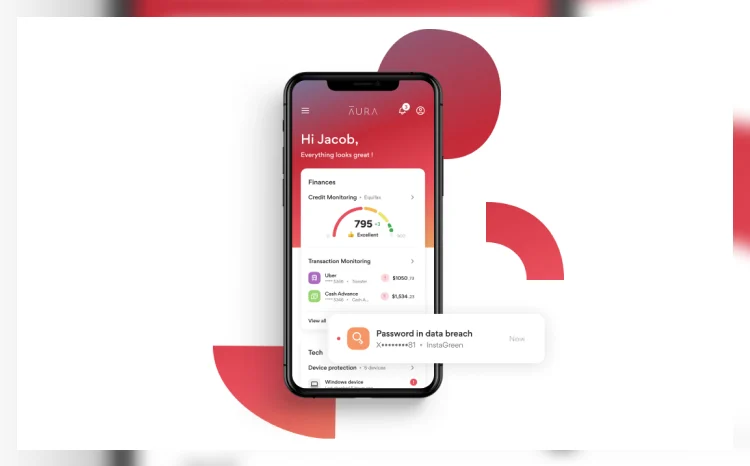
Aura offers solid privacy protection, including online account management, financial transaction monitoring, and a secure digital vault for storing sensitive personal information. The package also includes a password manager that makes it easy to create and maintain multiple strong passwords. In addition, Aura’s VPN uses advanced encryption to protect your online activity, especially on public Wi-Fi networks. It also offers AI-powered antivirus and safe browsing tools that act as a digital fortress against unwanted and fraudulent websites.
Aura monitors the three major credit bureaus: Experian, Equifax, and TransUnion, as recommended by the Consumer Financial Protection Bureau (CFPB) to help detect identity theft. The CFPB also recommends being alert to credit check requests from unknown companies and suspicious accounts, which Aura can monitor for you.
Why we chose Aura: In the event of a data breach, Aura intervenes immediately by providing security alerts, comprehensive fraud prevention services, and up to $1 million in identity theft insurance per person. The platform’s sleek and user-friendly interface also includes a “Protection Overview,” which conveniently displays active identity theft activity in a central dashboard.
Our experience: We were impressed with Aura’s 24/7 customer support. We appreciated that the US-based fraud prevention team was always ready to personally assist us in the event of a fraud incident. If a breach occurs, the team will work with us directly to develop a recovery plan and resolve the issue.
Pros:
- A comprehensive suite of tools to protect your personal data and finances.
- 60-day money-back guarantee on annual plans. 24/7 customer support in the US.
Cons
- Fixed plans, cannot be combined.
LifeLock
- 60-day money-back guarantee.
- Norton Antivirus users:
- $9.99 per month.
LifeLock, Norton’s powerful antivirus software, has the technology, affordability, and ease of
use you’d expect from an industry leader. The most impressive plans not only combine online security with identity theft protection, but also offer greater flexibility.
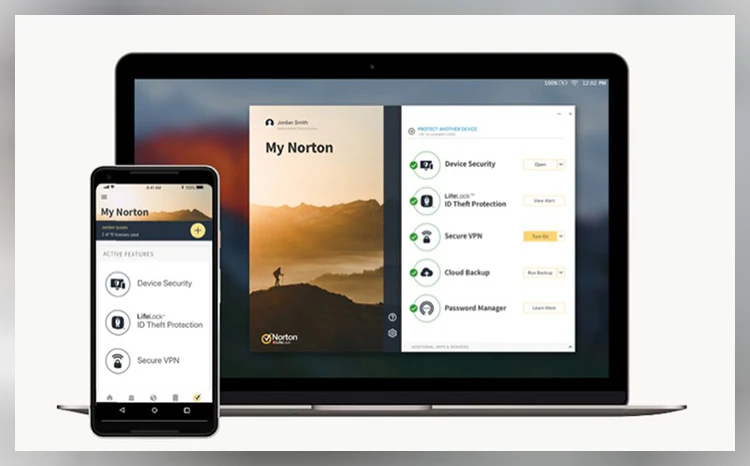
LifeLock plans include privacy and social security number alerts and are offered with the Norton 360 package. This means that the combined plans give you VPN services, plus powerful identity theft protection features like recovery of stolen funds from $25,000 to $1 million, bank account and credit card activity alerts, and even credit card account alerts. 401(k) contributions are included with the Ultimate Plus plan. LifeLock also offers LifeLock Junior, an affordable add-on for users under 18 that includes:
Dark web monitoring and file sharing network searches. All plans include 24/7 live support and assistance from U.S.-based personal data recovery specialists.
Pros
- Up to $1 million in refunds
- Antivirus and cyberthreat protection
- 60-day money-back guarantee
Cons
- Only worth it if you want Norton 360
- Prices can be confusing
Identity Guard
- Free trials. Forks
- Comprehensive protection
- $7.20/month or $79.99/year monthly
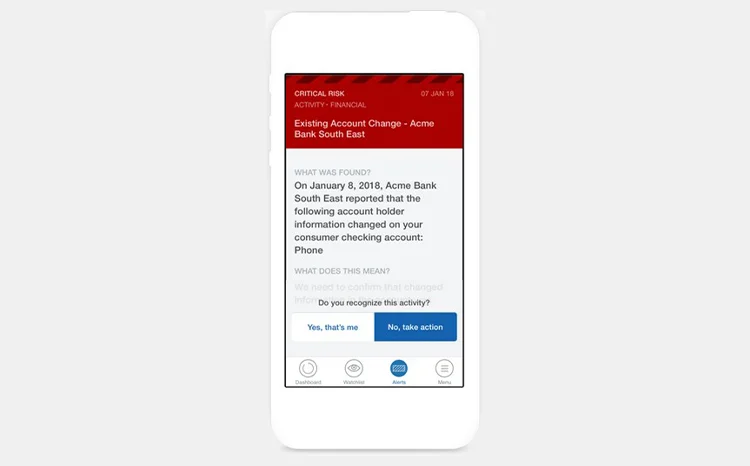
Identity Guard has protected over 45 million identities to date and solved over 140,000 cases. They partner with IBM Watson’s artificial intelligence technology, using its advanced data analytics and predictive capabilities to improve threat detection.
The service protects your online identity by monitoring the dark web (a known hub for cybercrime) and notifying you if criminals are selling your personal information. Identity Guard also constantly monitors your personal and financial information, and its US-based support team is always ready to resolve any issues that may arise.
Why we chose Identity Guard: With 20 years of experience in the industry, Identity Guard stands out for providing effective, AI-powered identity theft protection and monitoring services. These services immediately notify you of a wide range of potential threats. They also offer up to $1 million in insurance coverage per adult to cover legal fees and lost funds.
Our experience: We found that even Identity Guard’s most affordable plan offers the highest level of identity fraud protection. We were particularly impressed by the inclusion of dark web monitoring in this basic subscription package.
Pros
- Monitors credit score with all 3 credit bureaus
- Uses IBM Watson artificial intelligence technology for optimal performance
- $2,000 emergency fund
Cons
- Does not offer 24/7 customer support
- Only includes 3 credit reports with Premier plans
Zander Identity Theft
- Not
- available for individuals seeking identity restoration
- $6.75/month
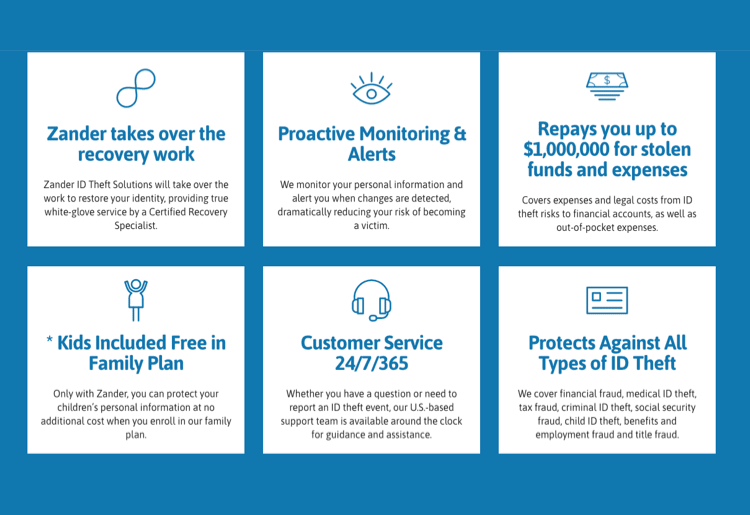
Zander Insurance’s identity theft protection service diligently scans the dark web to prevent criminals from selling personal information, such as your Social Security number and driver’s license number. The company offers plans for both individuals and families. Notably, their family plans cover two adults and up to 10 children at no additional charge.
Their premium package, the Elite Cyber Bundle, includes online security features like a VPN and antivirus protection. This service also protects against all types of identity theft, including financial fraud, medical fraud, and child identity theft. It has also been endorsed by radio host and financial guru Dave Ramsey.
Zander Insurance’s unique appeal lies in its focus on premium identity restoration services. They offer a dedicated, U.S.-based recovery team and up to $1 million in coverage per person. However, to keep prices low, they do not offer credit or financial transaction monitoring, believing that individuals can manage these on their own through banks and credit bureaus.
Why we chose Zander Insurance: Their focus on high-quality identity restoration services, such as comprehensive recovery, makes them an excellent choice for those at high risk of identity theft. This includes past victims of identity theft, people who frequently transact online, and those active on multiple social media accounts.
Our experience: We were impressed with Zander Insurance’s commitment to personalized identity recovery and their premium identity theft insurance, especially given their long history as a trusted insurance provider. We also appreciate that Zander offers access to a team of qualified professionals ready to promptly resolve any identity breach.
Pros:
- Unlimited Family Plan
- One of the most affordable options.
- Comprehensive recovery services, including wage loss insurance.
Cons:
- No credit monitoring
- No free trial
Norton
- 60-day money-back guarantee
- For those who have or want Norton Antivirus
- $9.99/month
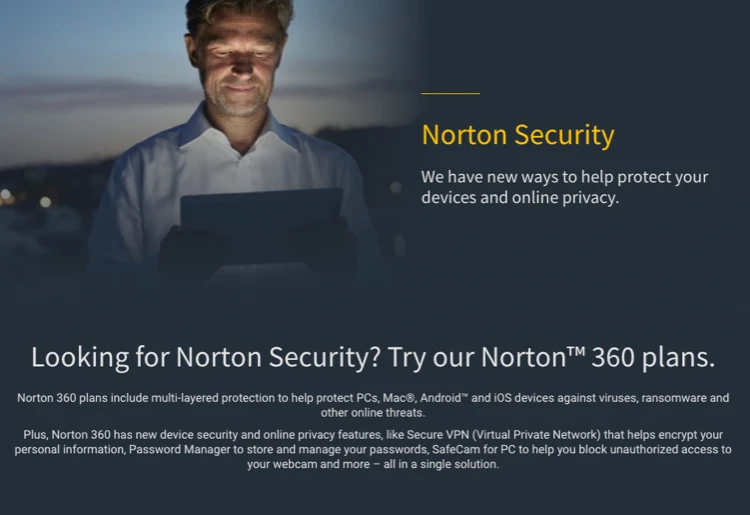
LifeLock is powered by Norton, a recognized leader in online security. While other Norton products are not required, they integrate seamlessly. This service quickly detects potential threats and notifies you via phone call, SMS, or email. It also ensures that a dedicated identity recovery specialist is always available to resolve the issue.
LifeLock offers three subscription plans with varying levels of protection. The standard plan provides $1,050,000 in coverage, identity alerts, dark web monitoring, and single-agency credit monitoring. On the other hand, premium plans offer up to $3 million in coverage, crime alerts in your name, and phone bill theft protection.
While LifeLock only includes three-agency credit monitoring in its highest-tier annual plan, it does offer daily updates for single-agency monitoring. What’s more, this product is an ideal addition for Norton users, as some online security features, such as VPNs, are included with Norton’s antivirus software, not LifeLock.
Why we chose LifeLock: LifeLock, Norton’s flagship product, offers solid identity theft protection. Its design is intuitive and easy to use. Notably, even the most basic membership level includes 24/7 live customer support, ensuring constant and reliable assistance when needed.
Our experience: We were impressed with LifeLock’s comprehensive insurance options, easy-to-reach customer support, and competitive pricing. However, we found room for improvement. Credit monitoring from three agencies should be standard on all subscription plans to provide comprehensive coverage.
Pros
- Includes Norton Antivirus
- Offers 3-agency credit monitoring
- Easy-to-use mobile app
Cons
- No family plan
- Pricey compared to other services
myFICO
- Doesn’t
- offer protection for the whole family
- $19.95 per month
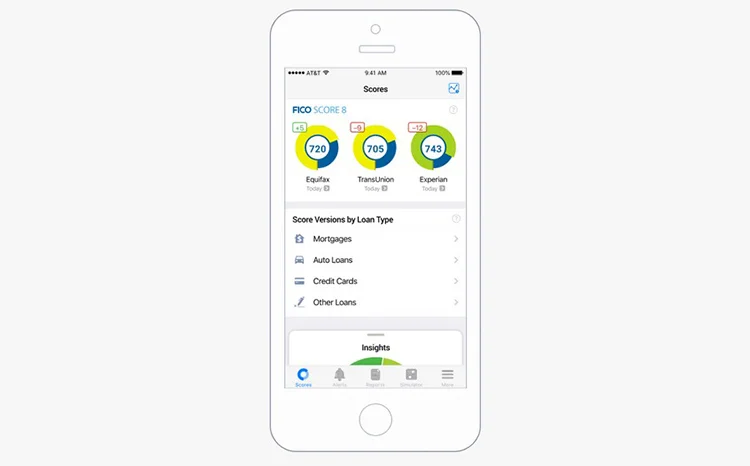
myFICO, the consumer division of FICO, the company behind FICO Credit Score, offers a solid identity theft protection plan with comprehensive credit report monitoring specifically designed for those looking to improve their credit history.
The platform offers significant value with comprehensive monitoring from three agencies and 24/7 identity recovery services. It also includes $1 million in identity theft insurance. However, while the Advanced plan offers quarterly updates, the Basic subscription offers monthly updates. Get alerts about any inquiries into your credit reports that may indicate fraudulent use of your personal information. Unfortunately, myFICO doesn’t offer a free trial or family plans. While you can cancel at any time, there are no refunds.
Why we chose myFICO: myFICO stands out from the competition by prioritizing comprehensive credit monitoring from all three bureaus, regardless of the subscription plan you choose. Its credit inquiry alert system also acts as a unique fraud warning feature.
Our experience: We were impressed with myFICO’s dual focus on credit monitoring and identity theft protection, making it an invaluable resource for those looking to improve their credit score and stay safe online. We especially liked the FICO score simulator, which allows users to visualize how different financial decisions can affect their credit score.
Pros
- Monthly and quarterly reports.
- Receive alerts via SMS, email, and via email or mobile app.
- 24/7 customer support.
Cons
- Basic plan only includes coverage for one office.
- Minor restrictions on some credit report data.
IdentityIQ
- None.
- Ideal for personal protection against identity theft.
- Starting at $6.99/month.
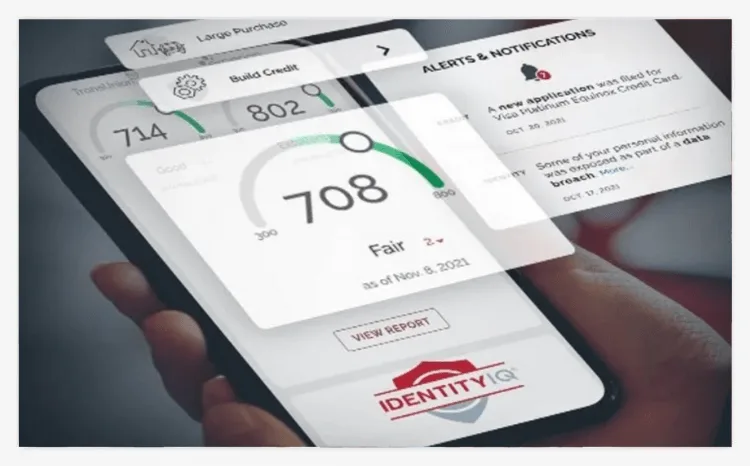
IdentityIQ offers comprehensive protection against identity theft and fraud through its user-friendly mobile and desktop apps. It provides peace of mind with a variety of monitoring features, ensuring your personal information is safe from misuse. The service is available in four plans that are tailored to different needs and budgets, even the basic plan offers up to $1 million in insurance for identity theft and income loss. However, it does not have a social media presence and does share information with third parties for advertising purposes.
Key features include dark web monitoring and family coverage on higher-tier plans. IdentityIQ monitors credit reports from up to three agencies, Internet and dark web activity, and changes in addresses registered with credit reporting agencies. It also offers Bitdefender Premium VPN and Total Security antivirus software for additional protection.
Prices vary between four plans: Secure, Secure Plus, Secure Pro, and Secure Max, and range from basic to advanced features. All plans offer substantial coverage, with the top plan offering additional benefits like personal data recovery with limited authorization and family coverage for members under 24. Monthly and annual billing options are available, with savings of up to 35%. However, there is no free trial.
Why we chose IdentityIQ. It offers up to $1 million in personal data theft insurance on all plans, including family coverage on premium plans, providing comprehensive protection and peace of mind for users.
Our experience: We appreciate the comprehensive customer support offered by IdentityIQ. We understood that when issues arose, advice on recovering from a personal data theft, such as contacting credit bureaus and managing fraudulent activity on credit reports, was often taken for granted. The IdentityIQ team then proactively follows up on cases to ensure the issue is resolved.
Pros:
- Up to $1 million in stolen funds recovery
- Comprehensive dark web monitoring
- Real-time credit monitoring and identification
Cons:
- Non-refundable months
- No free trial
IdentityTheft.com
- Forks
- For those who want to protect their credit
- Not available
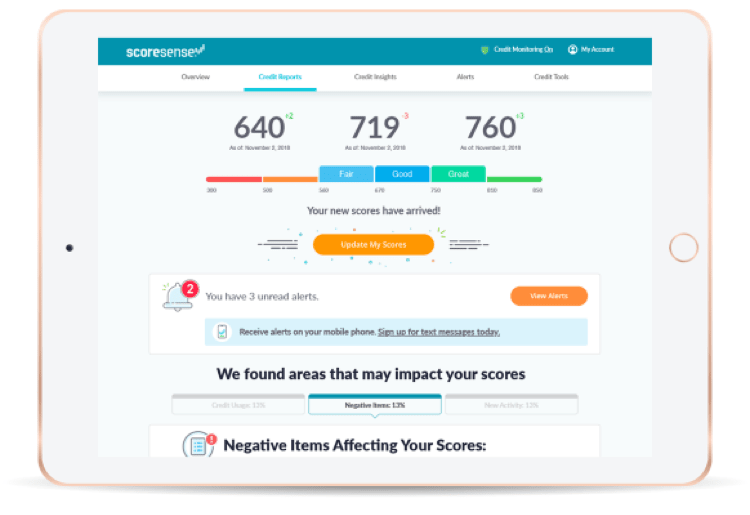
IdentityTheft.com has partnered with ScoreSense to offer an effective identity theft protection solution. The platform performs daily scans to detect irregular activity and other potential signs of identity theft on your credit reports, notifying you immediately. You also have the option to request full credit reports from all three agencies to check for errors, unauthorized changes, or suspicious activity.
Additionally, IdentityTheft.com extends its monitoring services to other personal accounts, such as driver’s licenses or credit cards. It conducts thorough dark web monitoring to ensure that your personal information is not sold to cybercriminals. For added protection, the service offers $1 million in insurance coverage to cover any financial losses resulting from identity theft.
However, if you want protection against a wide range of identity theft scams, you’ll need to manually set up additional account monitoring. This platform also doesn’t offer a comprehensive privacy solution in the event of a security breach. Instead, it walks you through the necessary steps, from closing unauthorized accounts to filing police reports and complaints with the FTC.
Why we chose IdentityTheft.com: If you want to keep a close eye on your credit reports, IdentityTheft.com is a great option. The service offers personalized advice from credit professionals and a dedicated dispute center. It also provides monthly updates from all three credit bureaus and actively monitors for any unusual activity on a daily basis.
Our experience: We were very pleased with IdentityTheft.com’s credit monitoring for all three bureaus. If you’re willing to proactively protect your online identity, this comprehensive service should be enough.
Pros
- Ability to add multiple accounts for monitoring
- Continuous monitoring
- Immediate notifications of suspicious activity
Cons - No pricing information
- 24/7 customer support
MyCleanID
- Free One-Time Diagnostic
- Identity Theft Protection and Computer Maintenance
- $19.99 per month
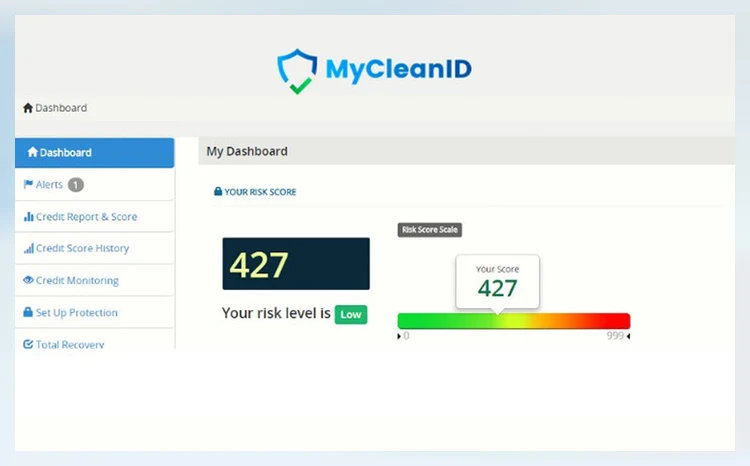
MyCleanID combines identity theft monitoring with specialized diagnostic software to effectively protect against this crime. This tool scans your hard drive and hides the location of any data (sensitive information such as phone numbers, email addresses, and credit card numbers) that could be used by identity thieves.
In addition, MyCleanID constantly monitors your credit report for changes, new accounts, and suspicious activity related to your social security number or physical address. The service even includes wallet loss protection with up to $2,000 in emergency cash and up to $1 million in identity theft insurance.
MyCleanID is unique among local and cloud services in protecting your personal information. You simply download the diagnostic software to your computer. While it detects issues for free, it requires a $19.99 annual subscription to fix them. Furthermore, it doesn’t have different subscription plans with different levels of features.
Why we chose MyCleanID: MyCleanID uses a diagnostic program that analyzes your device’s security risks, offering an extra layer of protection for your identity. This identity theft protection product also provides constant monitoring and alerts. Ultimately, this can be invaluable in protecting your information from identity thieves.
Our experience: We didn’t find a similar diagnostic program on any other competing site. We were very impressed with this tool, as it provided valuable insight into how locally stored information could expose us to identity theft. However, at $19.99 per year, in addition to the monthly subscription fee, we would have preferred more customizable subscription plans.
Pros
- Up to $2,000 in protection against wallet loss
- Exclusive computer security program that encourages proactive online security
- 24/7 support in the US
Cons - Requires one-time activation fee
- Only 1 plan available
How We Reviewed the Best Identity Theft Protection Services – Our Methodology
With a wide range of online identity theft protection services available, we considered several factors to rank some of the best.
We evaluated their service scalability, cost, monitoring techniques, recovery process, and customer service reliability. We also analyzed the availability of additional online security tools, such as VPN access and antivirus protection, in addition to their basic identity security measures. Our evaluation criteria are:
- Monitoring methods, including credit reports and dark web monitoring
- Identity recovery methods: Full service or standalone? Value and quality
- Availability of customer service
- Additional online security tools
- Level of product customization
- User reviews
What’s Identity Theft Protection?
Identity theft protection services are designed to protect your personal information from fraudulent use, such as opening new credit card accounts or applying for loans in your name. Most of these services include identity and credit monitoring to detect suspicious activity in real time, such as unauthorized purchases.
Many also include insurance to reduce the cost of a security breach and offer resources to help resolve theft issues and make it easier to restore your identity.
How Does Identity Theft Happen?
Most identity theft happens online when there are no adequate cybersecurity measures in place. Weak passwords can be easily guessed or cracked when using outdated antivirus software, leaving your data vulnerable to the latest malware.
For example, phishing is a common scam that tricks you into submitting your information to fake websites. In these scams, you unknowingly hand over your passwords and personal information, while the criminals remain anonymous. However, an up-to-date antivirus package will be able to identify suspicious or dangerous websites.
Some hackers can directly infiltrate your device using viruses or remote desktop software, while others access your accounts using malicious methods such as keystroke logging. In addition, criminals can steal your personal information through data leaks from companies or other organizations that store your data.
For example, a hacker forum breach reported that the emails of more than 200 million users of Twitter, the dark web, and other criminal forums were accessed.
If you suspect that your personal information has been stolen, take action immediately. The potential damage is much greater than the loss of data and can have serious consequences.
Why’s Identity Theft Protection Important to Have?
Identity theft protection is important because it quickly detects suspicious activity, allowing you to take preventive measures. These measures may include disputing a fraudulent account or blocking your credit history. Every second counts. The longer a criminal has access to your personal information, the greater the potential damage they can cause.
Most identity theft services handle everything from closing unauthorized accounts to contacting your bank and credit bureaus to report fraud. They also offer online security tools like VPNs and antivirus software to help deter hackers and prevent identity theft.
Additionally, many of these services include insurance coverage in the event of a security breach, giving you peace of mind that you can recover from any financial losses.
Do I Need an Identity Theft Protection Service?
Ultimately, the decision comes down to your personal preferences. Would you rather pay a small fee for insurance if you become a victim of identity theft?
Reliable identity theft prevention services offer valuable protection against financial and personal data-related damage caused by criminals and malicious individuals.
High-risk individuals, in particular, can significantly benefit from these advanced security measures against identity theft. This includes former victims, as their stolen information can be exchanged or sold between malicious individuals who may become their victims again, and those who frequently make confidential online transactions.
However, it is important to understand that identity theft protection services do not completely prevent it. Given this, the need to be vigilant and proactive in protecting your personal information is becoming increasingly evident.
How to Prevent Identity Theft
Subscribing to an identity theft protection service will not prevent the theft of your personal information. However, it allows you to take immediate action if fraud is detected. These services monitor a variety of sources, such as your credit history, social media accounts, and the dark web, for any signs of criminal activity.
Fortunately, there are several steps you can take to prevent identity theft. These include the following:
- Review your financial accounts regularly. Check your credit card and bank statements frequently for suspicious or unfamiliar charges.
- Use strong, unique passwords. By using strong passwords (like “SDjcks2347\]LKS”:>” instead of “YourName2023”), you make it harder for criminals to guess or crack them, and you limit the potential damage if one of your passwords is leaked or stolen.
- Install up-to-date antivirus software. Hackers often try to install malware on devices to gain unauthorized access or steal personal information. Using a reliable antivirus program can detect and block malware before it gets to your device, reducing the risk of it happening.
- Protect your physical information. Make sure your mail is delivered to a secure location or locked mailbox. Also, shred all personal documents before throwing them away to prevent theft.
Is an ID Theft Protection Tool Worth the Investment?
Yes, identity theft prevention tools are essential for effective protection. As we become more and more dependent on our phones and computers, the threat of digital identity theft continues to grow. If you’ve been a victim of identity theft in the past, you’re especially vulnerable. And your risk increases every time you make sensitive online transactions.
If you want to add an extra layer of security to your life and reduce your risk of identity theft, consider investing a few dollars a month in an identity theft protection service.
What Types of Identity Theft Protection Services Are Out There?
Identity theft protection services offer a variety of features and levels of protection. Some, such as credit report monitoring, provide basic protection but don’t guarantee full coverage. Others are more comprehensive, but they’re also usually more expensive.
Below is an overview of these services, with an idea of their specific offerings and benefits.
- Credit report monitoring Credit report monitoring services track your credit report activity in real time. This feature will notify you of changes, such as loan applications or new bank accounts opened in your name.
- Identity monitoring. The most comprehensive identity monitoring is designed to detect stolen or compromised personal information from a variety of sources that criminals can use as weapons. These sources include the dark web, major websites, and various databases.
- Identity recovery. Reliable identity recovery services (usually part of an identity theft protection package) can greatly simplify the process of recovering from identity theft. Some companies even offer professional assistance, allowing you to relax while experts handle the problem.
- Identity theft insurance. Another important consideration is the type and level of insurance coverage associated with your identity theft protection service. Some offer high-level coverage that protects you from financial losses resulting from identity theft.
Other Types of Identity Theft Protection Services
Tax-Related ID Protection
Individuals who illegally obtain personal information, such as a Social Security number, can file false tax returns with the IRS. However, to combat the rise of tax identity theft, the IRS has partnered with tax companies, payroll services, and state agencies. Together, they conduct awareness campaigns to educate citizens about safe practices.
Americans should protect their tax records, keep their Social Security cards in safe places, and use reliable security software and strong passwords when submitting sensitive personal information online.
Medical ID Protection
Although less common, medical identity theft is just as serious a threat. It involves the misuse of your personal information to obtain medical services or medications. On the dark web, this information can be used by complete strangers, and even healthcare professionals can use it to file exaggerated or fraudulent claims with insurance companies.
For this reason, protecting your online data may not be enough. Experts recommend reviewing your health insurance records annually to detect any discrepancies.
Common Types of Identity Theft Scams
Criminals use a variety of scams with the sole purpose of stealing your identity or personal information. However, not all identity theft cases involve modern technology, as phone scams and physical identity theft remain common. In fact, Americans lost a staggering $39.5 billion last year to phone scams alone.
Here are some common identity theft scams you should be aware of:
Phishing. Phishing scams involve criminals impersonating legitimate companies or organizations. These scams typically come via email or SMS messages that appear to come from trusted organizations, such as banks. They often ask for immediate action, such as updating personal or payment information, but once entered, this information is quickly stolen.
Hacking and data breaches: Even with the most advanced cybersecurity measures, we are all still vulnerable to identity theft. Hackers use a variety of methods to gain access to corporate devices or databases, allowing them to steal large amounts of personal information.
Form hijacking: Criminals can target online stores or other unprotected service providers by injecting malicious code designed to steal your payment information. This technique typically involves manipulating a form so that, when filled out, the code sends a copy of your information to the attacker.
Physical Theft: Physical identity theft remains a serious threat. According to reports, more than 50% of identity theft cases between 2006 and 2016 were related to non-digital vulnerabilities. This form of fraud can occur through a variety of means, including the apparent theft of a wallet, purse, or mail.
Other Kinds of Identity Theft
In addition to the common types of identity theft listed above, it’s helpful to be aware of some less common cases.
Tax-Related Identity Theft: Criminals can use stolen information, such as Social Security numbers, to file fraudulent tax returns with the IRS. While efforts are being made to mitigate this risk, it’s important to protect your Social Security cards and tax records.
Medical Identity Theft: Although relatively rare, medical identity theft occurs when someone uses your personal information to obtain medical services or file fraudulent insurance claims.
Child Identity Theft: Fraudsters can steal the personal information of minors to open unauthorized bank accounts, apply for loans, and engage in other fraudulent activities.
Synthetic Identity Theft: This form of identity theft involves combining real (often stolen) information with forged information to create a completely fictitious identity.
What Are Some Common Signs of Identity Theft?
Here are some common indicators of identity theft to look out for.
- Financial Inconsistencies: One of the first red flags of identity theft is unusual or unauthorized transactions on your credit card or bank accounts.
- Your mail goes missing. A common tactic used by criminals is to forward your mail to an address of their choosing. This allows them to receive your mail, giving them access to your sensitive information, such as bank statements, credit card information, or other personal information.
- Debt collectors contact you. If someone has used your identity to obtain loans and credit cards but has not made the payments, debt collectors may contact you about debts you are unaware of.
- Your medical records show discrepancies. Some criminals may use your personal information to get medical care. If your benefits don’t match or you receive an unexpected medical bill, it could mean that someone is using your information to get “free” medical care.
- Your information is exposed in a data breach. Data breaches are surprisingly common. In fact, these breaches exposed more than six million data records worldwide in the first quarter of 2023. These breaches often result in personal information being sold on the dark web, which could put you at risk for identity theft.
How Can I Find Out If Someone Is Using My Identity?
One of the most effective ways to detect online identity theft is to regularly review your bank and credit card statements. Financial institutions typically offer access to account statements through online platforms or mobile apps so you can easily review your recent deposits, withdrawals, charges, and payments.
If you notice anything that you didn’t authorize, consider it a clear red flag of possible identity theft. It’s also important to regularly review your credit report from the three major credit bureaus: Experian, Equifax, and TransUnion. You can access their free credit reports by visiting www.annualcreditreport.com.
How to Report Identity Theft
If you’ve been a victim of identity theft, it’s important to report the incident to the FTC. You can easily do this by phone or through their online platform; be sure to provide as much information as possible.
In addition, contact your bank, credit card issuer, and any other relevant organizations that have been affected by fraud in your name. It’s also a good idea to report one or more of the following organizations:
How to Choose the Right Identity Theft Protection Service
While all of the identity theft protection services listed here are great options, it’s important to find one that fits your needs. Start by considering your budget to rule out expensive options right away.
Then, assess your needs. Do you prefer credit monitoring or comprehensive personal data monitoring? What level of insurance coverage do you need? Is professional help available if you are a victim of identity theft?
After considering these questions, you will be better prepared to make an informed decision. Keep in mind that many providers offer free trials that allow you to test out their services without any financial commitment.
Identity Theft Is on the Rise
Recent reports indicate a growing concern about identity theft. Fraud involving credit cards, loans, and social security benefits is alarmingly common. In fact, according to the FTC, identity theft cases in the United States will increase from more than 650,000 to 1.1 million between 2019 and 2022.
This trend is largely due to the increasing digitization of our lives, which has led to numerous data breaches. These leaks have exposed the personal information of countless individuals, allowing criminals and identity thieves to exploit it.
Other Identity Theft Protection Services We Reviewed
In addition to the identity theft protection services listed above, we’ve researched and compiled a list of other brands that you might be interested in. Check out this list to learn about the different pricing options, report types, and features they offer:
Experian: Great for monitoring the dark web.
Passport Protection: Great for basic, affordable identity theft protection.
ReliaShield: Great for family plans and free child insurance.
GOFreeCredit: Best three-part credit monitoring service and credit alerts.
Avira: Best online security tools for Mac users.
Credit Karma: Great for free credit report monitoring.
Self-Fund: Great for building a credit history.
Stop Identity Thieves in Their Tracks
Investing in an online identity protection service is a very effective way to prevent identity theft online. However, it is important to remember that no personal information is completely safe in the digital age. That is why services like identity resolution and identity theft insurance provide greater peace of mind for those looking for additional protection.
Choose the most effective identity theft protection tool that fits your budget to protect yourself online. Even a basic or free credit monitoring service can be very helpful in preventing identity theft.