Top 10 Online Therapy Services of 2024: Invest in Your Mental Health
Online therapy services offer a practical and innovative alternative to mental health care. In-person therapy has limitations in terms of flexibility, accessibility, and cost. Furthermore, in-person meetings have become more difficult due to quarantines and social distancing measures. These changes have boosted the use of online therapy in recent years, and studies show that this trend will continue.
As online therapy, also known as “e-therapy” or “internet therapy,” expands, so does the number of available professionals. When looking for a virtual therapy service that is a good fit for your needs, you should consider factors such as price, communication methods, and therapist experience. Best Online Therapy Services of 2024
- BetterHelp: The best online therapy site overall
- Cerebral: The best for its affordable monthly price
- Online-Therapy.com: The best online cognitive behavioral therapy.
- Thriveworks: Best for insurance-covered treatments.
- ReGain: Best for online couples therapy.
- Pride Counseling: Best online therapy for the LGBTQ+ community.
- Talkspace: Best for unlimited messaging and flexible payment plans.
- Calmerry: Best for a wide range of therapies.
- Amwell: Best for ease of access.
- Faithful Counseling: Best for dedicated Christian counselors.
Our Methodology: How We Reviewed the Best Online Therapy Services
To find the best online therapy options, we compare several key factors, including:
- Price, availability, and plans (weekly or monthly pricing, total cost).
- Communication methods (text messages, voice calls).Phone calls, video calls).
- Number of available therapists and their specialties (anxiety, depression, addictions).
- Licenses and Hiring Requirements (PsyD, Ph.D, LCSW, LPS).
Types of Therapy Offered (CBT, Psychoanalysis).
Our Top 10 Best Online Therapy Services
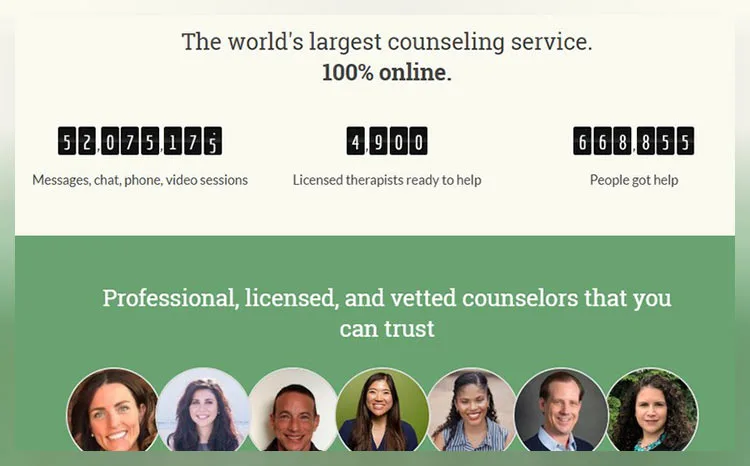
BetterHelp is one of the largest providers of online therapy services, connecting you with a licensed professional therapist in less than 24 hours. You can communicate with your therapist via phone, video call, live chat, or text message.
Although the platform does not accept health insurance, it does offer financial assistance to patients on a limited budget.
Why We Chose BetterHelp: BetterHelp’s app and online platform are easy to use and give you access to self-help worksheets on a variety of topics, including cognitive behavioral therapy (CBT) and conflict resolution.
Our Experience: BetterHelp has positive reviews and is affordable. We appreciate that BetterHelp therapists go through a rigorous selection process.
PROS
- You can connect with your therapist at any time.
- Studies show the effectiveness of the platform.
- It operates in over 200 countries and 82 languages.
CONS
- Therapists cannot prescribe medication to other therapists.
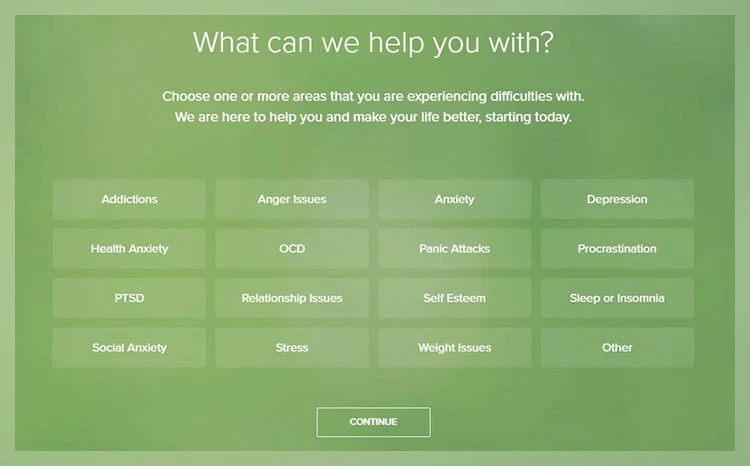
Cerebral offers online therapy sessions for people suffering from anxiety, depression, and insomnia. Its professional therapists provide a comprehensive treatment plan that is tailored to your needs. Cerebral’s two-tiered app, Cerebral TalkTalk, allows you to manage your symptoms and achieve a more balanced lifestyle.
Why we chose Cerebral: Cerebral is one of the most affordable options on our list without sacrificing quality of care.
Our experience: We appreciate that the Cerebral team reviews your medication responses monthly and helps you make necessary adjustments to ensure your treatment is progressing as planned.
PROS
- Very affordable pricing plans
- A team of professionals for a holistic approach
- Online sessions and home medication delivery
CONS
- : Not all plans are available nationwide or cover all mental health issues. Online-Therapy.com has a network of therapists with different specializations, primarily in the field of Cognitive Behavioral Therapy (CBT). In addition, their platform offers a variety of interactive worksheets, activities, and self-help exercises to guide you through the program.
Depending on your preference, you can communicate with your therapist via text message, audio, or video call.
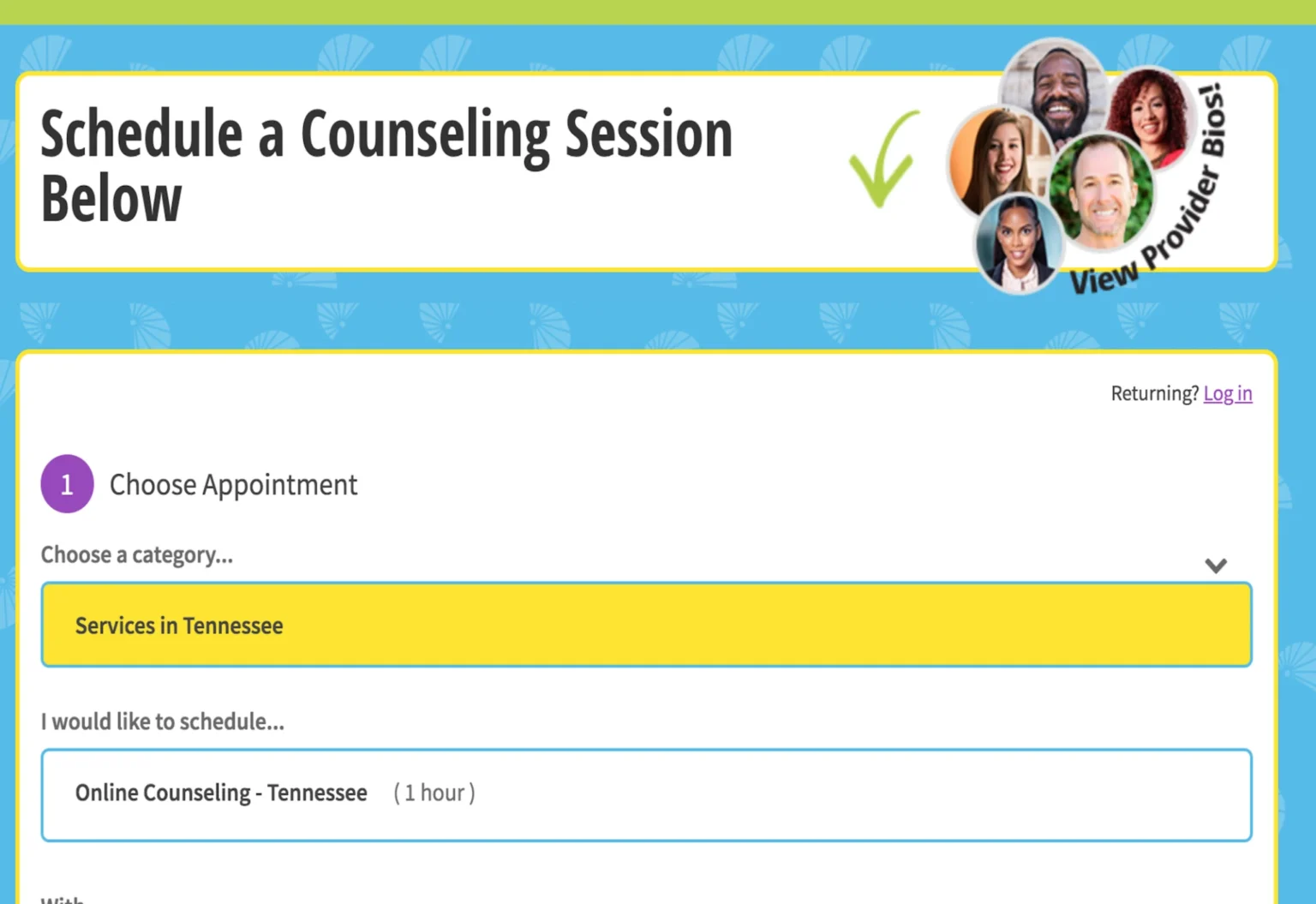
Why we chose Online-Therapy.com: This online therapy provider allows you to change therapists at any time during treatment. Their journaling tool is another helpful way to track your progress and improve your well-being.
Our experience: Unlike other online therapy services, Online-Therapy.com lets you view the profiles of recommended therapists and choose your therapist based on user reviews, specializations, and qualifications.
Couples therapy, children’s therapy, and more.
Why we chose Thriveworks: Thriveworks accepts most insurance plans, so you only pay a co-pay for therapy sessions. Even if your insurance doesn’t cover your share of the cost, Thriveworks is still affordable.
Our experience: Thriveworks stands out from other online therapy services by offering same-day or next-day appointments and minimizing wait times. You can also connect with your therapist between sessions if needed.
PROS
- Accepts health insurance from major carriers
- Online or in-person in over 300 locations
CONS
- Does not offer therapeutic massage
- Some services have geographic restrictions
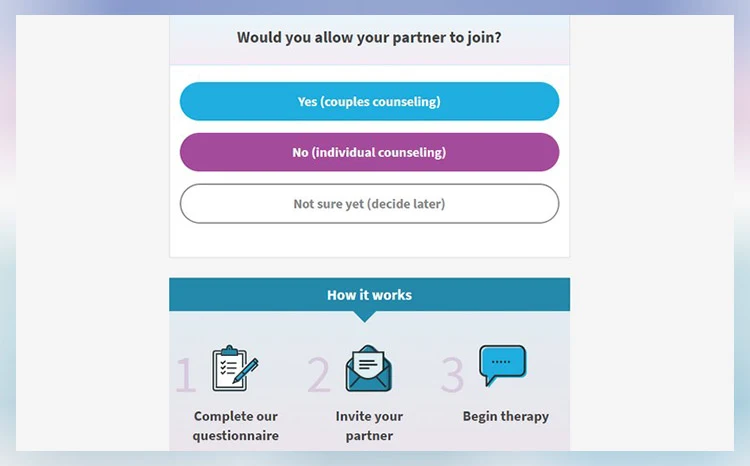
ReGain offers online couples therapy for couples and individuals. Their service connects you with a licensed therapist who is specifically selected to meet your needs and goals. A monthly subscription includes one weekly session via video or phone and 24/7 access to an online therapist.
We chose ReGain. ReGain understands everyone’s situation and offers discounted rates for those facing financial hardship or disabilities.
Our experience: With ReGain, you can choose your therapy appointments based on your availability. This makes it an especially convenient option if you’re pressed for time.
PROS
- Therapists specialize in a wide range of relationship issues.
- Easy-to-use app. Discounts are available for those who need them.
CONS
- Not a convenient forum.
- Doesn’t work with insurance companies.
Pride Counseling offers affordable online therapy for members of the LGBTQ+ community.
Pride Counseling charges per week, rather than per session, allowing for multiple sessions in the same week. It also has a mobile app that gives you access to all the features of the site, with the added benefit of receiving mental health support from your mobile device.
Pride Counseling doesn’t offer family therapy or support groups, which can be helpful for LGBTQ+ individuals. It also doesn’t work with insurance companies, although the low weekly fees make it more affordable than traditional in-person therapy. We recommend Pride Counseling. The most important benefit of Pride Counseling is that it offers a safe and supportive environment for members of the LGBTQ+ community to address their mental health issues, with therapists specifically trained to meet the needs of this community.
Our former community counseling service prioritizes discretion, allowing you to register under a nickname, while other services typically require your full legal name.
PROS
- All therapists specialize in LGBTQ+ therapy
- Android and iOS app
- Weekly payment instead of a single session
CONS
- Does not offer support groups
- Does not accept insurance
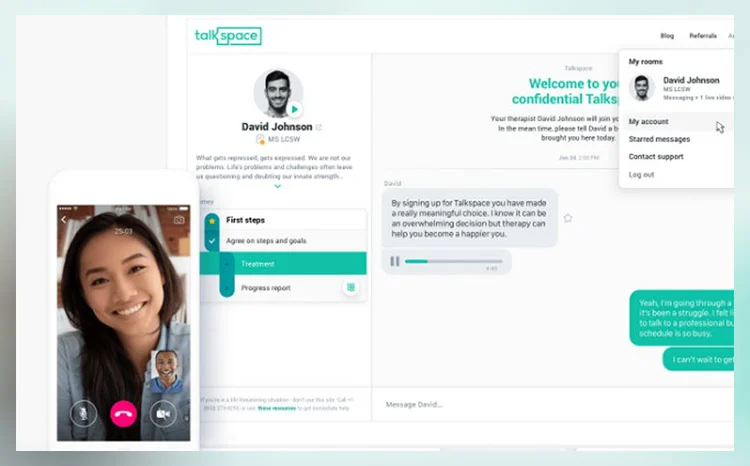
Talkspace is an online therapy platform that offers therapy and psychotherapy for teens, adults, and couples. They use a detailed matching process to connect you with a licensed and experienced therapist based on your circumstances.
They accept insurance and offer three weekly payment plans. The two highest-tier plans include in-person sessions, but only the most comprehensive plan includes text therapy with guaranteed daily answers to your questions.
Why we chose Talkspace: Talkspace specializes in over 40 areas of clinical therapy, so you can be sure your needs will be met.
Our experience: We were impressed with the responsiveness of Talkspace’s therapists and counselors. When you need help, their experts are ready to support you.
PROS
- Over 40 clinical approaches and treatments
- Suitable for adults, teens, and couples
- Can offer prescriptions through its psychotherapy services
CONS
- Requires internet connection
- Live sessions only available on more expensive plans
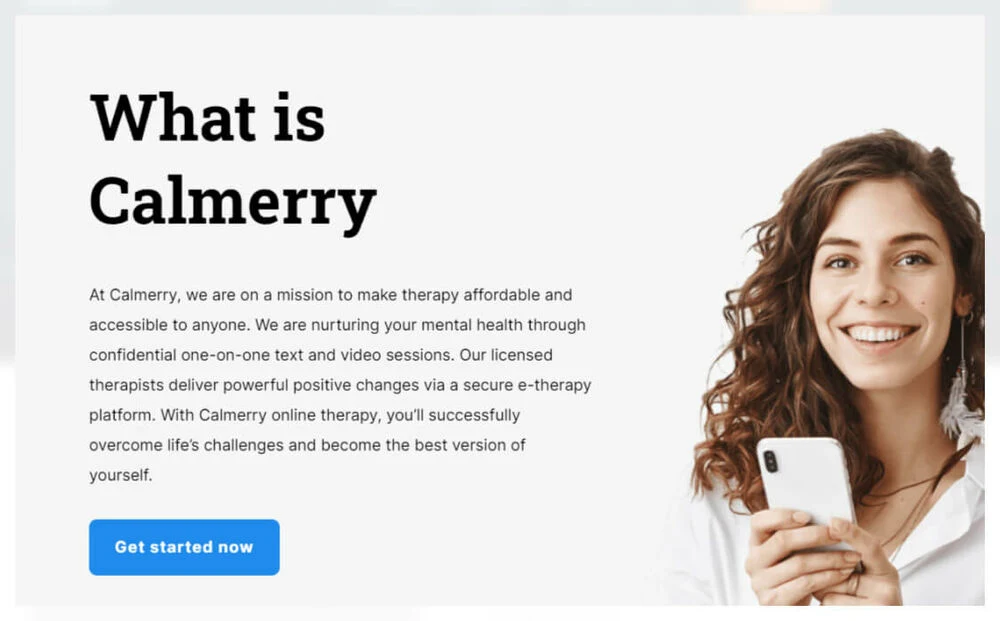
Calmerry is an online therapy network where therapists are trained in a variety of specialties, including grief therapy, couples therapy, and LGBTQ+ therapy. They offer two ways to connect with therapists: text messages and video calls.
All plans include the ability to send messages at any time, receive daily responses from therapists, and change or cancel therapists at any time.
Why did we choose Calmerry? Calmerry conducts thorough background checks on its therapists to ensure the quality and reliability of the therapy services you receive.
Our experience: Calmerry is not a substitute for your therapist’s blog, which provides information about therapy methods (including CBT, emotion-focused therapy, and dialectical behavioral therapy) so you can understand which approach best suits your needs.
PROS
- A practical app for therapy anywhere
- A comprehensive blog about therapy and mental health
- Available mental health assistants
CONSDoesn’tt accept insuranceDoesn’tnablee privacy protection
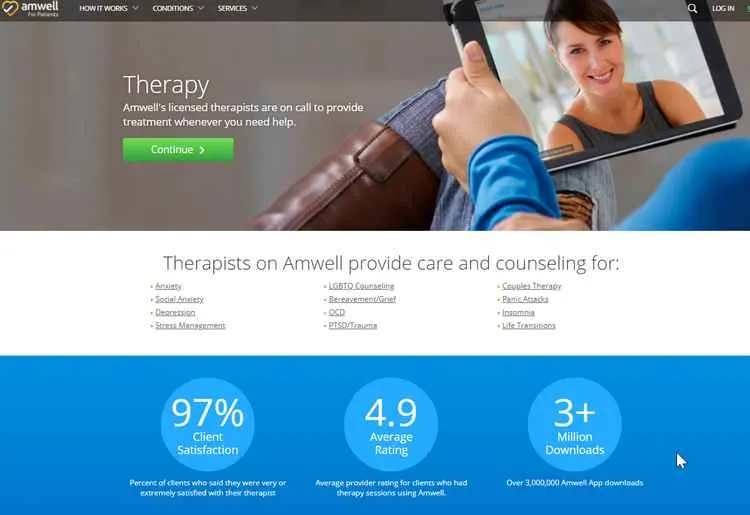
You can search for available therapists using the platform’s filters and easily schedule an appointment when you find the right one. This means you can communicate between sessions; the advantage is that you spend less time waiting for the help you need.
Why we chose Amwell: Amwell is a one-stop solution for all your healthcare needs, including therapy services. Their specialists can even prescribe medication if needed. Additionally, Amwell is affiliated with 125 insurance providers, which can help reduce out-of-pocket costs.
Our Experience: Unlike most online therapy providers, with Amwell you don’t have to wait for a therapist to donate. The search process gives you more control, giving you the information you need to choose the right therapist.
PROS
- Select a therapist and schedule an appointment right away
- Covered by most insurance companies
- Get a prescription without going to the doctor
CONS
- Offers medical services, but not in the United States
- Can’t connect between scheduled appointments
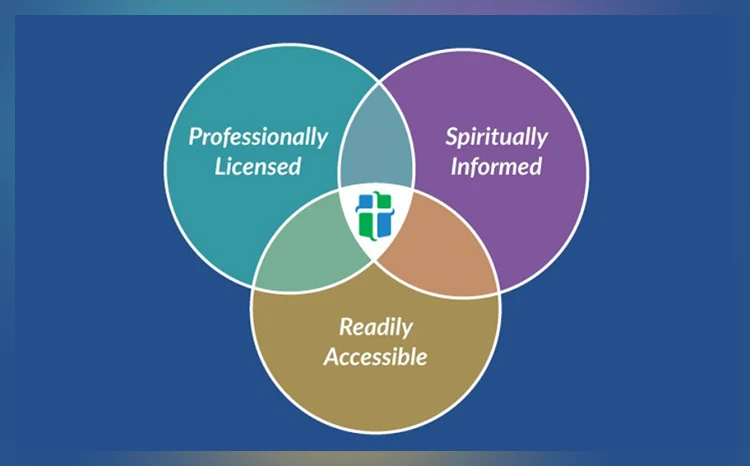
Faith Counseling is an online platform that specializes in clinics and therapy that incorporates the Christian teachings of the Bible. All therapists are licensed and certified in their field and provide statements of their faith to ensure they are aligned with the Faithful Counseling Statement.
The provider uses a sophisticated matching process to connect you with a therapist who specializes in both your mental health issues and your Christian faith. Faithful Counseling is a great platform if your faith is central to your treatment and you want to incorporate biblical teachings into your care. A simple sign-up process, a clean and attractive interface, and easy appointment scheduling make Faithful Counseling an accessible option for Christians seeking faith-based counseling.
Why did we choose Faithful Counseling?
PROS
- Over 6,000 therapists specializing in Christian counseling. Messaging services.
- Available via website or free app.
CONS
- The matching process can take 1 to 2 days.
- You can’t choose a specific therapist.
How to Compare the Best Online Therapy Services
Quality of service, therapist qualifications, cost, and communication options are important factors to consider when comparing the best online mental health services. We’ve created a table to show you the differences between our top 10 online therapy platforms in terms of user reviews, accessibility, and ways to contact your therapist.
For example, if you prefer to talk to your therapist over the phone, check to see if this option is available with the online counseling service you’re interested in.
Our Methodology: How We Reviewed the Best Online Therapy Services & Sites
To find the best online therapy options, we compare several key factors, including:
- Price, availability, and plans (weekly vs. monthly, total cost)
- Communication methods (text, voice, video)
- Number of therapists available and their specializations (anxiety, depression, addictions)
- Licensing and hiring requirements (psychotherapy, PhD, LCSW, LPS)
- Types of therapy offered (CBT, psychoanalysis)
What Is Online Therapy and What Makes It a Viable Alternative to In-Person Therapy?
Online therapy is a virtual version of traditional in-person psychotherapy. Online therapists use the same interventions as in-person therapists, including CBT, dialectical behavioral therapy (DBT), trauma therapy, and talk therapy.
Social worker Carly M. According to a 2022 meta-analysis of depression research and treatment by Charon and epidemiologist Kevin M. Gorey, online therapy programs, particularly those that involve video calls, may be as effective as in-person treatment.
Online therapy is also a more affordable option for those who can’t afford traditional psychotherapy, have difficulty getting to meetings, or are concerned about the social stigma they face when entering a therapist’s office. How does online therapy work?
You start by answering some demographic questions, indicating the mental health issue you need help with, taking a depression and suicide risk assessment, and indicating the characteristics you’re looking for in a therapist.
Depending on the platform, this data is analyzed by an algorithm or a person. You’re then assigned an online therapist who matches your preferences and is trained to treat your specific mental health issues.
The online therapy program then works much like an in-person meeting. You will meet with a therapist for 45-55 minutes each week to discuss your personal difficulties, understand their origins and impact on your life, and find practical tools to help you cope.
These tools may include emotion regulation techniques, communication skills, and strategies for identifying and changing problematic thoughts and behaviors.
Phone, Video, or Chat: Choosing the Best Format for Online Therapy
A 2020 sociological study titled “The Psychopathy of John O. A.” conducted by John O. Hietanen found that eye contact during video calls elicits physiological arousal comparable to face-to-face interactions. Matching your body language and the therapist’s facial expressions, maintaining eye contact, and giving them permission to do the same can be more effective for both of you.
However, some patients may prefer phone or text messaging due to issues such as poor internet connectivity, schedules that prevent them from being in front of a camera, or simply because these options may be more affordable.
According to a 2022 study published in Current Psychiatry Reports by Patricia W. Chen, phone therapy is effective for treating a wide range of mental health disorders, so you can be sure that this option is also viable.
Furthermore, a 2022 study published in Frontiers in Psychiatry by Reham Shalabi concluded that chat support is beneficial for people with addictions and psychological disorders and can reduce symptoms of anxiety and depression.
Benefits of Online Therapy: Why Choose This Approach?
Online therapy is convenient, flexible, and less expensive than in-person therapy, especially if you’re on a subscription. There’s no need to travel, so those who are away from home or have limited mobility can still meet with a pheromone therapist. This makes it much more affordable than in-person therapy for those looking for better health options.
With online therapy, people also don’t have to worry about the therapist’s identity being revealed, which can be stigmatizing.
Who Can Benefit from Online Therapy?
Online therapy is ideal and can significantly benefit those who:
- Have mild to moderate symptoms. Patients struggling with anxiety, depression, stress, and relationship difficulties are also a good fit for virtual therapy.
- Let’s say you have a busy lifestyle or live far from in-person therapy options. In that case, online therapy allows for remote and mobile support, which is helpful if you don’t have time to attend in-person sessions.
- An insurance plan that doesn’t cover online therapy doesn’t mean it’s more affordable than in-person therapy, making it more accessible even for those without insurance.
- Enjoy additional communication options. Virtual therapy platforms can offer text messages, phone calls, and educational modules in addition to therapy sessions.
- They’re ready and willing to participate in therapy. The key to reaping the benefits of both online and in-person therapy is willingness and engagement, which, according to a 2017 study published in BMC Psychiatry by psychologist Henning Crump, predicts better treatment outcomes.
Considerations for Online Therapy: Who May Not Benefit?
Online therapy may not be helpful for those who:
- Are they experiencing an acute mental health crisis or severe symptoms? Patients with extreme symptoms of psychosis, anorexia, bulimia, or mood disorders are not good candidates for online therapy. These conditions often require higher levels of care, such as hospitalization or intensive outpatient programs, which online therapy does not offer.
- Are they receiving court-ordered mental health services? People receiving court-ordered treatment may not be suitable for online therapy because therapists must complete paperwork that online platforms may not be able to process.
- They prefer face-to-face communication. Online therapy sessions are not designed to be in-person, so they may not be convenient for them. It can also be helpful for those who prefer to interact with their therapist in person.
How Much Does Online Therapy Cost?
Online therapy can cost anywhere from $60 to $200 per session. This depends on the platform, subscription plan, and type of therapy you choose. Some services include medication management or psychotherapy in their plans, which can affect the overall cost. The type of communication (video, phone, or chat) can also affect the final price.
Many online platforms, such as Thriveworks, Cerebral, Talkspace, and Amwell, also accept health insurance to cover costs.
Free Online Therapy Services: Availability and Limitations
While it can be difficult to find free online therapy services, several online mental health support services offer emergency help.
These include crisis lines with chat and messaging capabilities, such as the National Suicide Prevention Lifeline’s chat and messaging service. The National Alliance on Mental Health (NAMI) also offers free online support groups.
Saving with Online Therapy: Financial Benefits to Consider
A 2022 survey by Zencare found that the average cost of therapy in the United States is $182 per session, with higher rates reportedly reaching at least $728, not including indirect costs or potential lost income due to the session or travel.
In contrast, most virtual therapy sessions offered through affordable online therapy platforms cost less than $100 and are billed weekly or monthly, depending on the user’s subscription plan. This small fee often includes additional features such as worksheets, educational content, and unlimited messaging with the therapist, which are typically not included in in-person therapy.
Unlimited Sessions and Flexible Communication Options
Unlike in-person therapy, which limits therapeutic interactions to face-to-face formats, online therapy platforms allow clients to see and speak with their therapists via video conferencing, phone calls, text messages, and chat. Most platforms also allow unlimited text messaging with the therapist outside of regular sessions.
Reduced Commuting Costs and Time
According to AAA.com, the average gas price in the United States remains above $3.40, which means that driving to a therapist’s office increases the real monthly cost of in-person therapy, in addition to tolls and parking fees.
Choosing the Right Online Therapy Service in 2023
To get the best results from virtual therapy and improve your health, it’s important to find online counseling services. Consider the following key factors to help you decide which one is right for you.
Services Offered: Choose platforms that appeal to you, such as Cognitive Behavioral Therapy (CBT), Dialectical Behavioral Therapy (DBT), Mindfulness-Based Stress Reduction (MBSR), faith-based therapies (such as Christian therapy), couples therapy, or affirmation therapy. Also, consider whether you need a professional who can prescribe medication.
Features: Carefully explore the platform’s additional features and choose the one that best suits your individual therapy needs. In addition to therapy, you have access to other resources, such as courses, digital worksheets, and mood and progress tracking tools. For example, Calmerry offers helpful tracking tools, and Online-Therapy.com offers yoga classes.
Price: Consider how much you’re willing to pay for your mental health care, as not all online therapy platforms are priced the same. For example, Online-Therapy.com offers services for less than $40 per week. In contrast, medication and therapy services from companies like Cerebral, Amwell, Thriveworks, and Talkspace range from $99 to over $200 per month, without health insurance.
Ease of use. The usability of online therapeutic platforms and mental health apps affects their perceived usefulness, as researcher Amy Hai Young Chan found in a 2021 review published in the Journal of Psychiatry and Mental Health Nursing.
Finding the Right Therapist for You
It’s important to understand the credentials of each therapist so you know how they can help you.
Here are the five most common types of therapists:
Psychiatrist (MD)
A psychiatrist has a medical degree, hence the “MD.” This means they are knowledgeable about biological systems and incorporate knowledge of the biochemistry of the brain and body into their therapy sessions. Psychiatrists are the only therapists on this list who can prescribe medication.
Psychologists (PsyD, PhDPsychologistsst hold a doctoral degree between four and rigorous years of post-secondary education. ssysreceive extensive training in clinical work with clients, while PhDs participate in research during their post-secondary education.
Licensed Professional Counselor (LPC)
Licensed Professional Counselor (LPC)
LPCs complete two-year master’s programs in mental health counseling and psychotherapy. They specialize in psychological testing and diagnosis and may have completed post-graduate training in psychotherapy techniques such as CBT, DBT, and Acceptance and Commitment Therapy (ACT).
Licensed Marriage and Family Therapist (LMFT)
LMFTs complete two-year master’s programs specializing in marriage and family therapy. They specialize in providing support to individuals, couples, and families who are experiencing relationship or interpersonal difficulties. They complete additional internships after earning their master’s degree to work with specific demographics and situations.
Licensed Clinical Social Worker (LCSW)
To obtain a clinical license, social workers must complete a two-year master’s program, demonstrate three years of supervised client service experience, and pass a four-hour licensing exam.
Social workers are trained in a strengths-based approach, which means they focus on their clients’ innate abilities and capacities, rather than just their deficiencies or diagnoses. Their work is ethically mandated because they serve vulnerable and oppressed populations. They are also experts in a client-centered approach. This means they view symptoms in light of the environment (family, institutional, political) in which clients live, work, and interact socially.
Standard Treatment Fields in Online Therapy
Many therapists offer a variety of methods, such as CBT, DBT, MBSR, and CBT, among others. Here are some areas of online therapy to improve your well-being.
Couples Counseling
Online couples therapy involves spouses or partners who are facing difficulties such as communication problems, infidelity, potential separation, conflict, sexual dissatisfaction, financial difficulties, estrangement, or simply having difficulty adjusting to major life events such as parenthood, infertility, or the loss of a child.
An online couples therapist helps both partners better understand their mother’s perspective, promotes healthy parent-child communication, and encourages the development of coping skills that contribute to the restoration of their relationship.
Teen Therapy
Adolescent therapy addresses the concerns and challenges of navigating this complex period between puberty and early adulthood.
Adolescent therapy sometimes includes play therapy, in which adolescents participate in games or activities that help them strengthen their bond with their therapist and more easily express their true thoughts and feelings.
LGBTQ+ Support
Online therapy for LGBTQ+ individuals seeks to affirm and accept non-heterosexual sexual identities and orientations, taking into account their specific concerns, stressors, and needs.
Anxiety Treatment
Online therapy for anxiety addresses the thought processes that lead to anxious feelings and behaviors, and supports individuals in practicing emotion regulation and mindfulness techniques that help reduce anxiety.
Depression Therapy
Online counseling and therapy for depression helps patients identify and challenge negative beliefs and thoughts, such as “I’m confused,” “I’m irresponsible,” “I’m a rebel.”
Bipolar Disord”r Manage” ent
Effective online therapy for patients with bipolar disorder includes exploring the onset and progression of symptoms, educating patients about the illness, and providing them with emotion regulation skills.
Online therapists for bipolar disorder help patients identify and develop safety plans to anticipate early signs of mania, hypomania, or depression. Obsessive-compulsive disorder (OCD) treatment
Online therapy for obsessive-compulsive disorder (OCD) typically involves CBT and exposure therapy, which gradually increases exposure to real or imagined OCD stimuli while using tolerance-building techniques such as deep breathing and breathing visualization interventions.
Acceptance and commitment therapy (ACT), which aims to increase cognitive flexibility and promote value-based behaviors, has also been shown to improve outcomes compared to standard OCD treatment.
5 Tips for Preparing for an Online Therapy Session: Maximize the benefits of your online therapy sessions and work to better health for your mental well-being. You should know how to prepare for them. Eepthese tips in mind:
1Minimizeze Environmental Distractions
Distractions interfere with the therapeutic process and can interfere with your ability to learn, acquire new skills, and make important connections between past experiences and current behaviors.
2. havea Backup Internet Connection Plan
Poor video quality, frozen images, or internet connection interruptions can affect the quality of your therapy.
3. e Present and Engaged During Sessions
It may be more convenient to conduct virtual therapy from home or work to perform tasks such as checking email, folding laundry, doing the dishes, etc.
4. rrepairTalking Points or Discussion Topics
Write down situations that need support between therapy sessions so that you can address them after the session begins. Calling from home or not waiting in the waiting room can make it difficult to remember the most important challenges of the week. However, writing them down in a notebook or on a device helps us stay accountable and gives the online therapist more time and space to provide support where it’s needed most.
PTSD
A 2007 study published in BMC Psychiatry, led by researcher Kristin Nevelsrud, found that patients with PTSD experienced significant improvements in symptoms after virtual therapy. Work with a certified virtual therapist.
Insomnia
Danish researchers, led by psychologist O’Toole, found that cognitive behavioral therapy (CBT) for insomnia was effective in improving sleep quality and overall sleep duration.
Borderline Personality Disorder
A 2021 review of mental health published in JMIR and overseen by psychologist Margo Rivera found that online therapy, which included training and education in BPD skills, improved emotional regulation and reduced the frequency of arguments or fights with others in patients with borderline personality disorder.
Burnout
Researcher Jung-Hyun Park and colleagues found in their 2022 systematic review that online interventions that promoted emotional freedom techniques (EFT) reduced symptoms of fatigue in nurses.
Additional Online Therapy Sites Revyou’reIf you’re looking oyouyou’sdyouyou’sd our total reviews here:
- JustAnswer: Perfect for those who aren’t ready for in-person therapy. Perfect for insured individuals who suffer from anxiety and depression.
- PrestoExperts: Perfect for paying a therapist by the minute, not by the month.
Explore These Interesting Articles on Online Therapy
- How much does online therapy cost?
- Is this your first time using online therapy? Here’s how. A better way to get your mental health prescriptions.
Online Therapy in 2023: A Worthwhile Investment
Virtual therapy companies offer affordable alternatives to in-person therapy with comparable quality care and results. Some online therapy services even accept insurance, further reducing costs.
The options for online therapy may seem endless, but what’s most important to you?