

Recent advances in DNA testing are making it easier than ever to uncover the secrets of our ancestral roots. A study published in Genome Biology estimates that 60 million Americans will have taken genetic ancestry testing by 2025. According to the same study, this will create a vast database that can be used to offer significant benefits to consumers.
With so many options, it can be difficult to decide which DNA kit is best for your specific needs. Each company uses its own algorithms and research databases to determine results. This begs the question: how do you know which kit is the most accurate, meets your DNA testing goals, and keeps your data secure?
To find the answers to these questions, we’ve researched and compared the best DNA testing kits of 2023, including what we like most about each one so you can make an informed decision.
Our Top 10 Best DNA Testing Kits and Companies:
- MyHeritage DNA – The Best DNA Test Kit Overall
- AncestryDNA – Ideal for Finding Genetic Relatives
- Live DNA – Ideal for Accurate Ancestry Research
- LetsGetChecked – Ideal for Testing for Health Issues
- Futura Genetics – Ideal for Identifying Gene Carriers
- GPS Origins – Ideal for Mapping Ancestral Migration Patterns
- 23andMe – Ideal for Learning About Your Ethnic Origin
- HomeDNA – Ideal for Animal DNA Testing
- Vitagene – Ideal for Health-Focused Testing Products
- EasyDNA – Ideal for Analyzing Non-Standard Samples
Our Methodology: How We Reviewed the Best DNA Testing Kits
To find the best DNA test kits, we evaluate several criteria, including:
- Price.
- Features:
- Privacy and Security
- Speed of Results
These parameters provide a good basis for conducting your own analysis, narrowing down your options, and deciding which DNA test to purchase.
Affordability
We focused on researching DNA testing kits that offer excellent value for money and quality. We also considered overall cost, new subscription plans, renewals, DNA sample results, and processing and shipping costs.
Range of Information
The ability of a DNA test to perform accurate genealogical research depends on the amount of information available in the company’s files. The larger the files, the more innovative and accurate the results can be. Many of the DNA testing companies we selected have millions or billions of records in their files.
Privacy
The security and privacy of personal information are important when it comes to DNA testing. This can be a concern for those purchasing at-home DNA tests, so we analyzed the protocols adopted by each company we reviewed. The companies on our list have security measures in place to ensure data protection. We also considered the opinions of people who have used these DNA test kits and found them to be reliable.
Result Speed
DNA testing requires a quick response, so speed of delivery was a key factor in our evaluation. A good example of an optimal response time is MyHeritage DNA; the company provides test results within three to four weeks.
Our Top 10 Best DNA Testing Kits
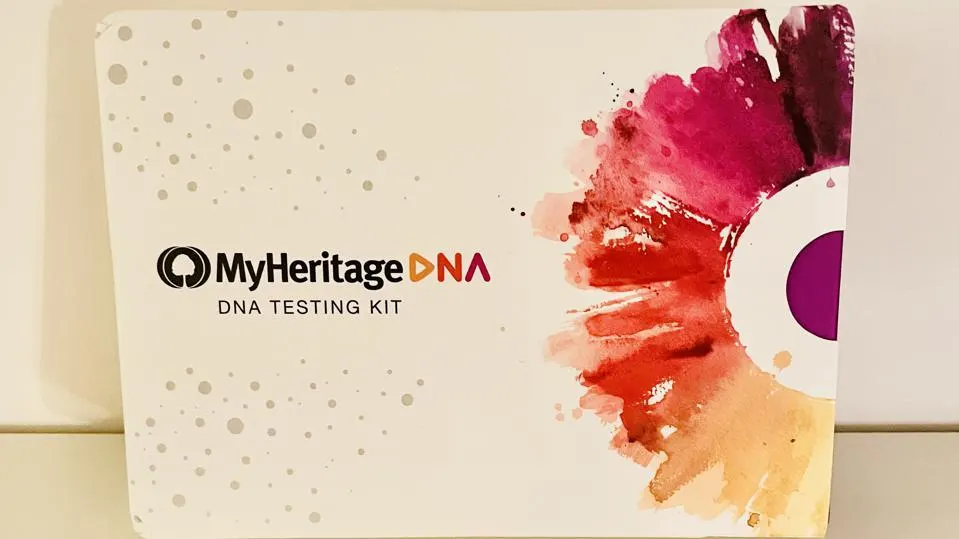
MyHeritage DNA offers tools to help you build a family tree, discover your genetic profile, and explore fun activities like animating family photos. Their test suite gives you access to over 19.4 billion family history records and offers a detailed analysis of your ethnicity and the genetic groups from which your DNA comes.
It uses autosomal DNA information to compare your chromosomes and genetic traits with those of people whose genetic material has been analyzed by the company. This can help you find unknown relatives who have also used autosomal DNA testing kits.
Blaine Bettinger, Ph.D., genealogist, and DNA testing expert, explains that MyHeritage DNA also offers a Chromosome Explorer, which allows testers to see exactly which parts of their DNA they share with another person. What’s more, the researcher recently added the ability for users to compare up to seven genetic match segments at once.
Why we use MyHeritage DNA: The MyHeritage DNA Complete plan unlocks the company’s more than ten genealogy research tools and ancestry information. A 30-day free trial gives you access to billions of records and a free family tree builder.
Our experience: MyHeritage DNA’s ability to manage multiple accounts at the same time is very useful. There’s no need to log in and out of different profiles to collect information. We also appreciated the ability to link multiple collections to one account and import DNA results from other companies for free.
PROS
- Online genealogy tools, complete with DNA testing
- Free import of existing family trees
CONS
- Online genealogy tools can get expensive after the first year
- Most historical records are located outside of Asia and Africa
AncestryDNA offers a variety of genealogy research tools, including family trees, community profiles, and software to create databases on health, ethnicity, and heritage. It also offers some of the best genetic testing kits on the market and gives you access to genealogical records from over 30 billion DNA samples.
This DNA testing company partners with Ancestry.com, one of the world’s largest genealogy websites. Users can integrate their results with their genealogy research on the platform.
If your primary goal is to learn more about your family history, AncestryDNA is ideal for helping you. Genetic wellness expert Dr. Magnolia Pretel confirms that AncestryDNA will provide a percentage of your ethnic background. The information available on Ancestry.com and AncestryDNA platforms covers over 80 countries, offering results that provide a comprehensive and unique view of your ancestors.
Why we chose AncestryDNA: AncestryDNA and Ancestry.com offer a unique partnership that gives users access to a vast database of genealogical records. AncestryDNA also uses methods like SideView technology to discover the DNA you share with your parents.
Our experience: AncestryDNA is very easy to use. From the first click, you’ll find different options to choose the plan that best suits your needs. When we ran into difficulties during our research, the site allowed us to connect with genealogy experts. However, it didn’t provide reliable DNA test results. If your goal is to purchase a DNA test kit, this product may not be the best fit for you.
PROS
- Billions of US and international records
- Very easy to use
- High-quality DNA tests available
CONS
- Above-average price
- Doesn’t allow you to create family trees
Living DNA offers an extensive database, especially if you’re from the Middle East, Europe, or Africa. This is the best ancestry test to use to explore your ethnic origins.
The company is run by a team of experts and researchers based in the UK and has an excellent reputation for its detailed results, access to resources and research, and good customer service. It also allows you to publish a family history book. This is a personal and visual way to explain your results and share them with friends and family; we didn’t have this option with the other kits we reviewed.
Additionally, Living DNA can detect rare genetic diseases by providing information about genes that may help fight cancer cells. For example, it can track genes like BRCA1, a marker for breast cancer.
We chose Living DNA. We like its testing options, affordable prices, and accessible service. What excites us most is how this kit combines genealogical research with personalized medical information through forensic DNA testing.
Our experience: Living DNA’s personalized genealogical analysis offers sub-regional analysis for specific areas, such as Europe, Africa, and the British Isles. The health update is an impressive addition. It analyzes vitamin response and food metabolism, offering nutritional, exercise, and recovery advice.
PROS
- Detailed information on Africa, Europe and the British Isles
- Haplogroup reports reveal ancient ancestry
- Doral is easy to use
CONS
- It is relatively new to the DNA testing market
- User database is smaller than that of the market leaders
LetsGetChecked is not a traditional DNA test. Instead, it looks for health issues like hormonal imbalances, sexually transmitted infections (STIs), or kidney and liver problems. The goal is to provide accurate biological information about your well-being before you consult with your doctor.
The company offers a range of health tests and analyses that can help you screen for risks, heart problems, vitamin deficiencies, and various lifestyle factors that may negatively impact your health. These results can guide you in making better lifestyle choices.
As with any home health or DNA test, we recommend discussing your results with your doctor. This is even more important with LetsGetChecked tests. Since the company focuses primarily on detecting health issues (and not on tracing your ancestry), it’s important to seek appropriate medical advice and guidance before taking any action based on your test results.
Why We Chose LetsGetChecked: LetsGetChecked’s personalized sessions make getting tested super easy. Simply download the app to your Android or iOS device and access a collection of resources (including instructions on when and how to take each test). Since their tests are primarily for disease screening, your results are 100% encrypted and protected by the Health Insurance Portability and Accountability Act of 1996 (HIPAA).
Our experience: LetsGetChecked had the fastest turnaround time (2-5 days) and delivered results quickly and without any issues. We were also impressed with the testing process; the company follows the same checks and balances as a standard in-office blood test.
Unobtrusive at-home testing
Results available in 2-5 days
Medications available for some conditions
CONS
- Some tests require a home blood test
- Genetic testing not available
Futura Genetics offers test kits for DNA profiling and gene carrier identification. Harness the power of advanced technology to analyze your genes and improve your overall health and extend your lifespan.
To perform this analysis, the company looks at certain indicators to determine genetic health risks and 28 of the most common diseases. Although it uses a saliva sample collection method (some people prefer a cheek swab), this method is just as effective.
Once Futura Genetics receives your samples, they thoroughly analyze them to provide a comprehensive report. This 26-page health report includes nutritional recommendations based on the results.
Why did we choose Futura Genetics? Futura Genetics’ technology, along with a personalized health report that includes nutritional recommendations, make the analysis process a truly personalized experience. We also appreciated the speed of results and the thoroughness of the report.
Our experience: Before taking the test, we participated in a live genetic counseling session with a Futura Genetics-certified physician. This gave us valuable information to guide us through the process. After receiving our results, we were able to schedule follow-up consultations, which made the experience more like a visit to a traditional doctor.
PROS
- Scientifically based information
- Lifestyle advice to reduce disease risk
- Detailed information on diseases and risks
CONS
- Does not include an ancestry report
- Does not provide information on health or other characteristics
Compared to other genealogy companies owned by HomeDNA, GPS Origins offers a wider range of geographic research, covering over 900 regions.
Its innovative technology allows you to delve deeper into the genetic origins of your ancestors and pinpoint their exact location, even down to the city level. You can follow your genealogical journey on a map to see where your family may have migrated, as well as the villages, cities, countries, and even islands they may have passed through.
GPS Origins analyzes thousands of autosomal biomarkers to do this, highlighting your uniqueness. With a strong focus on specific migrations to a particular location, this DNA kit also breaks down its reports into genetic groups, giving you a detailed understanding of your genetic makeup and your family’s culture.
Why did we choose GPS Origins? GPS Origins’ mapping capabilities and unique geographic features set it apart from the competition. Its comprehensive tools also analyze genes that influence healthy weight, skin health, and parenting.
Our experience: We were impressed with the genetic profile available to GPS Origins subscribers. The interactive map was a great asset for our ancestry research, as it shows detailed information about our maternal and paternal ancestors, as well as their migration routes.
PROS
- Free shipping
- Health tests available
- Comprehensive migration tracking reports
CONS
- Higher price than other kits
- Limited customer support options
23andMe offers DNA-based ethnicity estimates. It uses ancient haplotypes (maternal and paternal lineages that share a common ancestor) and information about Neanderthals to trace your roots. The service can find your closest living relatives using DNA samples that go back six to eight generations.
Genetic health reports based on samples provided to 23andMe provide a comprehensive picture of your ancestry and health. For example, they reveal the science behind your eye color and what influences your sense of smell, taste, and facial features. The evidence-based reports identify potential risks for a variety of diseases, including respiratory and cancer problems.
While the 23andMe DNA test isn’t as accurate as some other tests, it’s one of the most accurate DNA tests on the market for genealogy research.
Why did we choose 23andMe? 23andMe offers an excellent and comprehensive genetic health report. Using haplotype data, they can dig deep into your ancestral roots. They also have a feature that allows you to explore different genealogy timelines and connect with relatives you share DNA with by sending them a message.
Our experience: We consider 23andMe to be a leader in customer service. Interaction with the company was helpful and smooth. We found it interesting that 23andMe allows users to voluntarily participate in genetic research, linking their information to future studies. We appreciate that this is an option and that you can opt out at any time.
PROS
- Excellent genetic health information
- Haplog reports reveal ancestral roots
- Provides Neanderthal heritage score
CONS
- Does not offer genealogy research… death test requires upgrade
HomeDNA processes raw data about your genes and is ideal for more specialized ancestry testing and DNA research. In addition to being a popular option for paternity testing, it offers excellent genetic ancestry testing through its subsidiary, GPS Origins.
Kits are affordable, and the HomeDNA DNA extraction process is easy to perform. The company also offers genetic health tests that can reveal your sensitivities to certain foods, pet hazards, and skin care products.
With HomeDNA, you can import reports from other genealogy research sites to easily track your results. You can also export your HomeDNA results to other websites. Additionally, you can track your DNA migration patterns to observe ancestral interactions between your maternal and paternal lines.
Why we chose HomeDNA: HomeDNA boasts the only paternity test in the U.S. (according to its website) and offers accurate results at an affordable price. Plus, its easy-to-use kit is one of the few we reviewed that also offers animal DNA testing.
Our experience: We found the online platform to be user-friendly and appreciated the ability to purchase health and beauty products based on sensitivity results, which is a practical and useful feature.
PROS
- Wide selection of test kits
- Access to raw data
- Detailed and highly accurate results
CONS
- Doesn’t offer family tree services
- Doesn’t provide fast results for most tests
Vitagene prioritizes wellness across all of its services, making it an ideal choice if you’re looking for personalized health advice based on your genetic makeup. (While the company does offer personalized ancestry testing services, they don’t reflect the same level of accuracy as Vitagene’s tests.)
Vitagene’s testing options include diet, supplement, physical activity, and skin reports. It also offers tests for genetic risk, certain skin conditions, resilience, and nutritional deficiencies. The company’s product line also includes a COVID-19 testing kit.
Why we chose Vitagene: Vitagene offers several detailed health reports that aren’t available from most competitors. We were also drawn to the company because of its wellness-focused testing products, which include inflammation tests, sleep and stress tests, and a thyroid test.
Our experience: While Vitagene offers a few guidance resources and an online FAQ section, the information available is limited. Fortunately, the test was fairly intuitive; it only required a cheek swab and took a few minutes. We also found the customer service representatives to be friendly and helpful.
PROS
Useful health tips.
Additional DNA-based counseling
Offers additional health information if you already have DNA data
CONS
Low level of detail in ancestry reports
Limited number of FAQs on the website
In addition to saliva samples, EasyDNA uses hair samples for detailed DNA testing. The company can also confirm the presence of DNA in a relative’s family members by analyzing ashes.
It offers a variety of tests, including prenatal and paternity tests. So whether you want to find out the sex of your baby, learn more about your genetic health, or find out the ancestry of a deceased loved one, EasyDNA is for you. Its range of services sets it apart from other testing kit providers.
EasyDNA offers family, drug, and clinical testing options. As the name suggests, this suite focuses on making it easy for you to get specialized, single-source DNA testing.
Why we chose EasyDNA: EasyDNA offers accurate and specialized results. Its speed is exceptional considering the number of tests it offers. What’s more, it offers a wide range of services and an excellent customer support system. EasyDNA is currently available in 25 countries; we were impressed by the wide availability of its kits and the fact that customer support is available in multiple languages.
Our experience: We contacted customer support via email and WhatsApp and received a quick and helpful response. We also found valuable resources on the EasyDNA website that are useful for both potential and existing customers.
PROS
- Wide range of DNA tests
- Results within 3-5 days
- Cooperation with accredited laboratories
CONS
- No database to find relatives
- No access to raw data
What are DNA Tests?
DNA tests, also known as genetic tests, are medical tests that look for variations or mutations in the genetic sequence. Using samples of blood, hair, or bodily fluids, these tests detect changes in genes, proteins, or chromosomes. By identifying variations in the genetic code, they allow you to reconstruct family history, assess the likelihood of inheriting a genetic condition, or assess the likelihood of developing a disease.
While a doctor may order a genetic test for medical reasons, many people purchase home DNA kits out of curiosity and to learn more about themselves.
Privacy Considerations with DNA Test Kits
As DNA testing has grown in popularity, so have concerns about privacy and data security. Among the most common concerns are the possibility of sensitive genetic information being disclosed to unauthorized third parties or the commercialization of personal data.
For example, companies may use genetic information for research and marketing purposes without your permission or consent. Some insurance companies may also use this information to determine eligibility for at-home DNA testing, taking into account the potential consequences. Sharing genetic information is a personal decision that requires careful consideration and an understanding of the potential benefits and risks.
Privacy and DNA Test Kits: Should You Share Your Data?
Before submitting your DNA sample for analysis, read the privacy policy and potential risks. Companies that make DNA testing kits may access your genetic information and use it for various purposes, such as research, product development, and marketing. Law enforcement agencies may also have access to your data.
Most providers publish their policies online or on the product packaging, so read all terms and conditions carefully.
Another aspect to consider is whether you and your family members have similar genetic sequences. By sharing your genetic code, you are also sharing information with your family. Be careful about the information you share online, and only use secure digital storage that guarantees secure access to your results.
How Does DNA Testing Work?
DNA tests analyze genetic material to determine certain information about your characteristics, ancestry, and genetic heritage. To analyze your DNA, companies typically follow these steps:
- A DNA sample is taken from your blood, saliva, or hair and sent via a testing kit.
- The sample is sent to a lab for analysis.
- Lab technicians create multiple copies of the DNA through a process called amplification.
- The amplified DNA is analyzed using techniques such as sequencing to identify specific genetic markers.
- This analysis forms the basis for the final results of the DNA test kit.
Using the DNA Testing Kit: Step-by-Step Guide
Using a DNA kit is a simple and convenient way to collect genetic material and send it to a laboratory for analysis. Reputable DNA testing companies include step-by-step instructions to guide you through the collection process and ensure the most accurate results.
To use the kit, you will need to collect a saliva sample, usually using a cheek swab. (Although some kits may require a blood sample.) The instructions included with the kit will guide you on how to collect the sample and how much saliva you need to provide.
If the DNA test kit requires a blood sample, you will need to collect a DNA sample by pricking your finger with a lancet, gently massaging your finger to increase blood flow, and filling the provided blood tube.
In the final step of the process, you will register your sample online using the barcode that corresponds to your specific kit. The kit will include detailed sample processing instructions, as well as return shipping packaging, information on cost, and an estimated turnaround time for results.
Different Types of DNA Tests
As genetic testing technology has evolved, so has the versatility of DNA tests. As a result, there are several different types, depending on the specific information they reveal. Below are seven of the most common types of DNA tests you should know about.
Family Tree Builders & Genealogy Tests
Genealogy tests like 23andMe and MyHeritage use DNA-based genetic markers to determine your ancestry, then offer tools to create family trees. This allows you to use your genealogy test results to create a visual family tree. While you can use the tools separately, many people like to use them together to summarize and organize their results.
With this information, you can learn more about your origins, including where your ancestors came from, their migration patterns, and their ethnicity. Family tree builders and genealogy tests are a fun and informative way to explore your ancestors and family history.
Sibling DNA Test Kits
Sibling DNA testing kits can be useful for establishing genetic relationships between siblings or for reliable paternity testing (if one or both parents are unavailable or deceased). DNA paternity testing can also help establish legal relationships for inheritance or immigration purposes.
Paternity Tests
Paternity tests are often used to compare a child’s DNA to the DNA of the alleged father. A positive result indicates that the man is indeed the father of the child.
Paternity tests are usually performed to establish or prove legal paternity, as well as to assist in child custody or support agreements.
Ancestry Tests
Also known as genetic genealogy, genealogical DNA testing determines your ethnic origins and family history. These tests can fill in any gaps in your historical records and confirm the stories of your relatives.
Because genealogy tests estimate ethnicity based on genetic data, some are designed specifically for specific populations. For example, some kits have extensive databases of African American and Asian genetic information and provide detailed, specific results for descendants of those ethnic groups.
Health Tests
Health DNA tests analyze your DNA to detect genetic markers or variations that may indicate an increased risk of developing certain conditions or diseases. They provide health information that can influence everyday lifestyle choices, medical decisions, or treatment options.
In addition, several health DNA tests are designed to detect carrier status for certain diseases,
such as sickle cell anemia.
Note: You should not use DNA tests to diagnose diseases without consulting your doctor.
Gene Therapy
Gene therapy is a medical intervention that aims to prevent and treat genetic disorders. It identifies underlying problems and changes the genetic material inside cells.
This process may involve replacing a mutated gene with a functional one, disabling a disease-causing gene, or introducing a new gene to combat the disease.
Although gene therapy is still in its early stages of development, it has the potential to treat or cure many genetic diseases, such as diabetes, cystic fibrosis, and cancer.
Forensic Tests
Using methods such as DNA analysis or fingerprinting, forensic DNA testing allows individuals to be identified based on their genetic patterns. The process involves collecting DNA samples from various sources to create a genetic profile. This profile is then compared to known samples, such as those of a person in a police database, to determine if there is a match.
Forensic DNA testing has become increasingly important for law enforcement and legal purposes. It is used not only to establish biological links between individuals, but also to identify suspects in crimes.
How to Choose a DNA Test Kit?
Different DNA test kits focus on providing a wide range of data and results. To decide which one is right for you, consider your goals. Are you looking to confirm your ancestry, find long-lost relatives, or learn about potential health issues?
In addition to these considerations, here are seven key factors that can help you find the best DNA test for your interests or needs:
Information Revealed by the Test
Before purchasing a DNA kit, consider your motivation and goals for taking the test. For example, an ancestral DNA test can help you learn more about your ethnic background and family heritage. A health test is ideal if you and your doctor want to rule out possible genetic diseases.
Type of Test
DNA tests reveal different types of information depending on the genetic material being analyzed. For example, mitochondrial DNA tests reveal information about your maternal lineage (they analyze your mother’s family). In contrast, Y-DNA tests reveal specific information about your paternal lineage (your father’s father’s family).
Pricing for DNA Testing
The cost of a DNA kit varies depending on the type of test and the lab that performs the analysis. Some kits, like LivingDNA, can be inexpensive, while others are expensive.
Research the most affordable DNA test kits currently available to find one that fits your budget. When searching, keep in mind that your insurance may not cover the cost of health-related DNA tests. Check with your insurer and the test provider to find out if you will have to pay the full price or if a portion of the cost is covered.
Pricing for Other DNA Test Types
Sometimes, in addition to the price of a DNA test kit, there are other costs to consider. For example, you may have to pay additional processing fees. Some types of DNA tests require multiple samples to be collected and shipped, which increases the overall cost.
Others, such as prenatal genetic testing or cancer testing, may require additional medical procedures, biopsies, or imaging tests. You may also have to pay for genetic counseling and follow-up care. Consulting with a healthcare professional or genetic counselor can help you better estimate your overall costs.
Ease of Use
Simplicity can be a key factor when choosing DNA testing kits. Sample collection can vary depending on the type of test, with some methods being significantly more complex than others. When looking for tests, choose ones that include step-by-step instructions, non-invasive sample collection, and easy-to-understand confidentiality and security protocols.
Quality of Reports
If you collect and submit your DNA samples for analysis yourself, you will understand the results in the final report. Talk to your doctor or genetic counselor to explain some of the initial information. You can also choose a company that offers a clear and concise final report. (Packages like 23andMe and AncestryDNA are known for their user-friendly reports.)
Accuracy of DNA Test Results
The type of test performed and the method used to perform it can affect the accuracy of the results. It is recommended to do some research to determine which tests offer the greatest accuracy. We recommend reading user reviews and checking other customers’ opinions on the test results and accuracy before purchasing. Also, be aware of reports of false positive or negative results, which can have serious consequences, especially in paternity cases.
Brands like AncestryDNA and MyHeritage DNA are known for the accuracy of their results.
Privacy Protection
DNA tests reveal sensitive information about your genetic makeup that affects your personal, medical, and family history. To protect your privacy, it is important to know how your samples and results are used and stored, and how access to them is managed.
Some DNA tests require the sample to be sent to an outside laboratory, which may raise privacy concerns. We recommend that you carefully read the privacy policies of the test kits to better understand the potential consequences of analyzing and publishing (or sharing) your DNA kit results.
In addition to basic genetic results, some DNA kits offer additional features and can provide additional details and information about your genes. For example, some DNA tests determine carrier status for certain genetic diseases or provide information about your family tree. Others allow you to access more extensive databases containing millions or billions of DNA matches.
Who should consider getting a DNA test? And who shouldn’t? If you don’t find specific results for your genetic sequence, in some cases it may be better for a family member to get tested. Additionally, getting a DNA test can have negative effects on your health.
To help you decide whether the benefits of testing outweigh the risks, we recommend genetic counseling before and after undergoing DNA testing. However, in most cases, the following information can help you decide if it is right for you.
Some of the best reasons to undergo DNA testing include:
- Want to learn more about your ancestry and family history?
- Find out if you have any health problems.
Find out about your biological family. - Confirm paternity or paternity.
- While it is generally safe for most people to take a DNA test, there are circumstances in which testing may
- not be necessary or appropriate for you. These include:
- Undergoing medical treatment, such as chemotherapy (which may temporarily affect the accuracy of the results).
- Feeling uncomfortable with the company analyzing and storing your genetic information.
A history of mental illness may make you or the person performing the test struggle with the emotional impact of the test results.
What Can DNA Testing Reveal?
DNA tests can reveal information that goes beyond your ancestry or health. They can also show dietary restrictions, share genetic markers, predict or explain reactions to certain medications, and help develop or prescribe personalized medications.
Limits of DNA Testing
While DNA testing is a powerful tool for uncovering personalized information about you and your ancestors, it has limitations. For example, it cannot predict behavior, personality, environmental influences, or other non-genetic factors. While health tests can alert you to potential health problems, they also do not provide a 100% guarantee that you will develop a health or genetic problem in the future.
Important DNA Testing Terminology
When researching DNA testing kits, you may come across unfamiliar terms and phrases. To help you understand the most common terms, we have created a glossary of the nine most common genetic words or phrases.
- Chromosome: A cellular structure that contains DNA and proteins. Humans have 23 pairs of chromosomes in each cell of the body; one pair is inherited from the mother and the other from the father.
- Gene: A segment of DNA that contains instructions for making a particular protein. Genes determine many physical characteristics, such as eye color and height.
- Genetics: The scientific study of genes and heredity.
- Heredity: The transmission of genetic characteristics from parents to offspring through genes.
- Haplogroup: A group of individuals who share a common ancestor based on their DNA.
- Autosomal DNA: DNA found in all 22 pairs of chromosomes except the sex chromosomes (X and Y). Autosomal DNA is important for determining ancestry and ethnicity because it allows information to be gathered for up to five generations.
- Mitochondrial DNA: DNA found in mitochondria, the energy-producing structures in our cells. Because mitochondrial DNA is inherited from the mother, it can reveal information about the maternal side of the family.
- Y-chromosomal DNA: DNA found on the Y chromosome and inherited from the father. Y-chromosomal DNA can provide information about members of the paternal family.
- Reference population: A group of individuals used for comparative purposes in genetic testing. It may include individuals from specific regions or ethnic groups.
Emerging Trends in DNA Testing Shaping the Future
The DNA revolution is here to stay. From history to healthcare to forensics, DNA testing provides genetic information and comprehensive insights that expand our scientific understanding of the human genome.
Recent DNA research and testing have led to several significant trends that could impact and possibly revolutionize the future. Some of these include:
Retelling History
Today, the study of DNA is changing and evolving throughout history. Researchers are using DNA testing to learn more about the migration patterns of ancient populations and to better understand human evolution. For example, in a 2020 study, Takashi Gakuhari and Shigeki Nakagome of Trinity College Dublin led a team that analyzed the whole genome sequence data of a 2,500-year-old Jomon individual using DNA testing. This data was analyzed to gain new insights into the migration routes of early East Asian populations.
Heritage Travel
You can not only study your ancestors, but also explore your heritage. With DNA testing, heritage travel companies are helping people connect with their ancestral lands and offer personalized travel experiences based on their genetic heritage.
Advancing Wellness
DNA testing can identify genetic risks for certain medical conditions and reactions to medications. This can help you make lifestyle changes to reduce your chances of developing those conditions. Knowing your biological responses to certain medications can also help your doctor personalize medications and treatments to suit your needs.
Early Disease Detection
Recent studies are using personalized methods to detect diseases at an early stage, significantly improving survival rates. For example, in 2020, Shindong Chen and his team of researchers successfully used DNA testing to detect cancer at an early stage. This is a remarkable advance, especially in the treatment of diseases like cancer; early detection can mean the difference between survival and serious consequences.
Fighting Crime
DNA testing is becoming increasingly important in solving crimes and bringing criminals to justice. The ability to collect personal evidence at a crime scene has revolutionized law enforcement and forensic science. For example, in 2013, 49 years after the crime, the Boston Police Department used Y-DNA analysis to solve the Boston Strangler case.
Additional DNA Testing Kits and Companies We Reviewed
As DNA testing becomes more popular, many new companies and testing kits are entering the market. While this list of the 10 best DNA testing kits is a good starting point, there are other options that are not included and are worth exploring.
- International Life Sciences: Ideal for genealogy testing.
- Bio-Gene DNA: Ideal for discreetly searching for biological parents.
- FindMyPast: Ideal for free access to a family tree building program.
- Paternity Depot: Ideal for legally valid paternity testing.
- DNA Direct Solutions: Ideal for DNA testing for infidelity.
Our Most Popular Articles on DNA Testing
Interested in learning more about DNA testing and what it can reveal about you? On our website, you’ll find a wide range of articles on the latest options and trends.
From the most affordable kits available in 2023 to the most common surnames in the United States, we have a comprehensive collection of guides to help you learn, including:
- The most affordable DNA testing kits in 2023
- 10 Hollywood celebrities who found their roots through DNA testing
- How to read and interpret your DNA test results
- The most common surnames in the United States
- The best competitors and alternatives to 23andMe
Making an Informed Purchase of a DNA Testing Kit
DNA testing is a rapidly growing field that provides a wealth of information about your ancestry, health, and genetic predispositions.
Our top ten DNA testing kits are: MyHeritage DNA, AncestryDNA, Living DNA, LetsGetChecked, Futura Genetics, GPS Origins, 23andMe, HomeDNA, Vitagene, and EasyDNA.
The top 10 offers tips to help you find the best DNA test kit for your needs, interpret your results, and understand the terminology you’ll encounter so you can make more informed decisions about DNA testing.