
Choosing the right Internet Service Provider (ISP) involves finding the perfect balance between price, speed, infrastructure, and logistics. While price is always a deciding factor, you should also consider what type of connection is best suited to your internet usage, what speeds you need, and which providers serve your area. For example, a family of five will likely need different features than a professional gamer.
There are thousands of Internet Service Providers in the United States today, from a few large national ISPs to many smaller local providers (or subsidiaries of larger providers).
We’ve researched and analyzed the various ISPs in the industry and compiled a list of the 10 best options for you to choose from.
The Top 10 Best Internet Providers in 2023:
- AT&T Internet: The Best Overall Internet Provider
- Rise Broadband: Ideal for Users Living in Rural Areas
- CenturyLink: Ideal for Families
- T-Mobile Home Internet: Great for saving money
- Xfinity Internet: Great for gamers
- EarthLink: Great for additional business services
- Cox: Great for gadget lovers and tech-savvy users
- Verizon 5G Home Internet: Great for users who need fast upload and download speeds
- Verizon Fios: Great for students and those who need high-speed broadband
- ViaSat: Great for remote customers who don’t mind slow speeds
A Closer Look at Our Top 10 Internet Service Providers
AT&T Internet
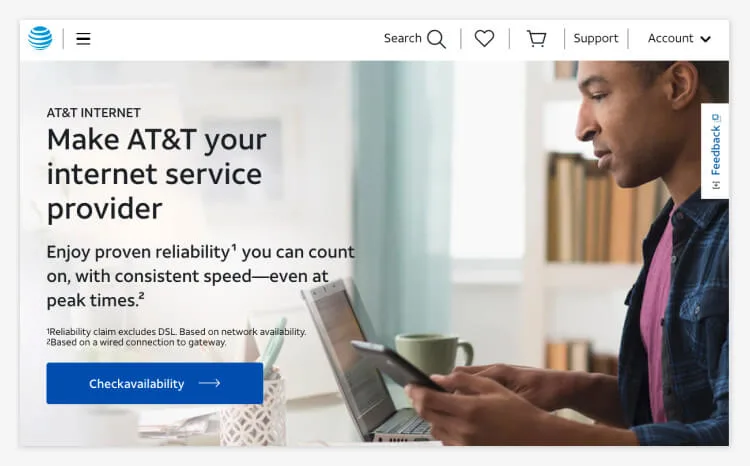
- Best for creating a smart home
- Starting price: $55 per month
- Connection type: Fiber, fixed internet
AT&T offers a wide range of internet plans, all of which are excellent options. The pricing is affordable worldwide, and AT&T’s customer service has been awarded a Doctor of Laws for four consecutive years. It also won the Powers Customer Satisfaction Award for its exemplary service. 1000 Mbps is enough to provide your entire home with Wi-Fi, unlimited data, and faster download speeds than the competition. AT&T also has an excellent mobile app that makes managing your smart home easier and faster.
Pros
- 99% reliability
- Speed, including fiber optic plans
- High customer satisfaction
Cons
- Limited coverage area for some plans
- High additional fees
Rise Broadband
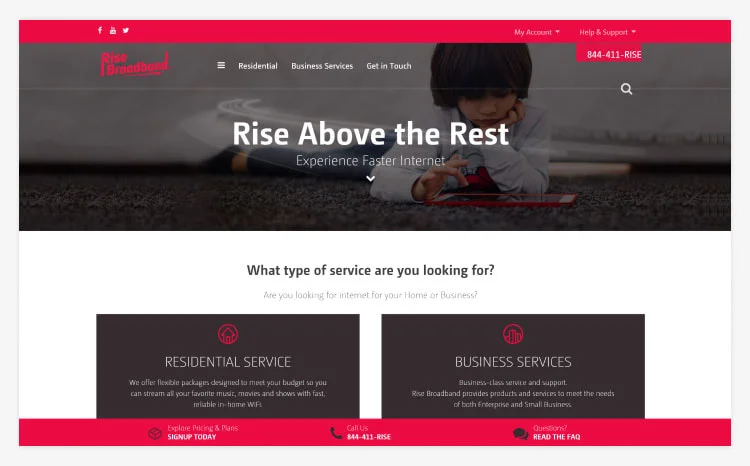
- Best rural internet service
- Starting price: $25/month
- Connection type: Wireless, fiber optic
Rise Broadband offers a variety of internet plans to rural areas as an alternative to fixed wireless services where there is no access to wired internet, such as cable and fiber optic. This type of internet connection is faster and cheaper than satellite internet, so it may be the best option if you don’t have cable. Rise Broadband has also included fiber optic connectivity in some areas.
Pros
- Coverage in many rural areas with limited ISP options
- No equipment rental fees if you use your own router
- Unlimited data option
Cons
- Wireless internet has some latency issues
- Unlimited data on wireless plans costs an extra $20
CenturyLink
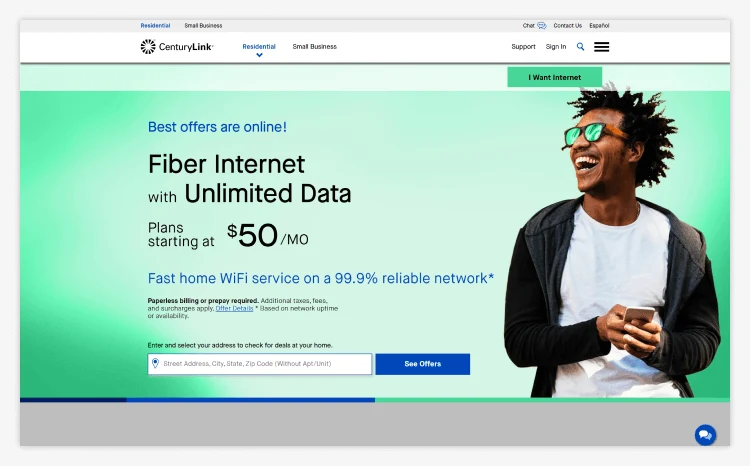
- Ideal for families
- Starting price: $55/month for DSL, $70/month for fiber
- Connection type: DSL, fiber
CenturyLink offers internet in 16 states with speeds of 3 to 100 Mbps for DSL and 100 to 940 Mbps for fiber, which is only available in select areas. Its advanced WiFi 6 technology allows for faster connections, greater data transfer capacity, and longer battery life for home devices.
Pros
- Free wireless modem with Fiber Gigabit plan
- No annual contracts
- Built-in privacy and parental control tools
Cons
- DSL options are relatively expensive
- $149 setup fee for DSL plan
Xfinity
- Best for Families
- Starting Price: $19.99 per month
- Connection Type: Cable, Fiber
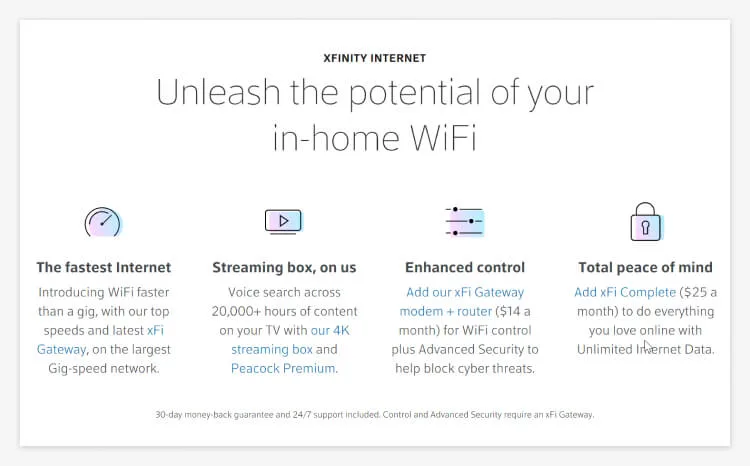
Xfinity offers fast cable and fiber internet options designed to suit almost any need. Ideal for gamers, streamers, multi-users, and families, Xfinity Internet has plenty of features to keep the fun going. Xfinity Internet comes in seven different plans, including a monthly prepaid option. Customers can choose between cable or fiber internet depending on their speed needs. Available in 40 states, Xfinity Internet is more affordable and accessible than many competitors.
Pros
- Fast and reliable speeds
- Lots of plans to choose from and no contract
- Fun extras included in plans
Cons
- Xfinity devices not available for purchase
- Great equipment rental offer
EarthLink
- Ideal for families, students, freelancers, and gamers
- Starting price: $49.95 per month
- Connection type: Fiber, wireless, and satellite
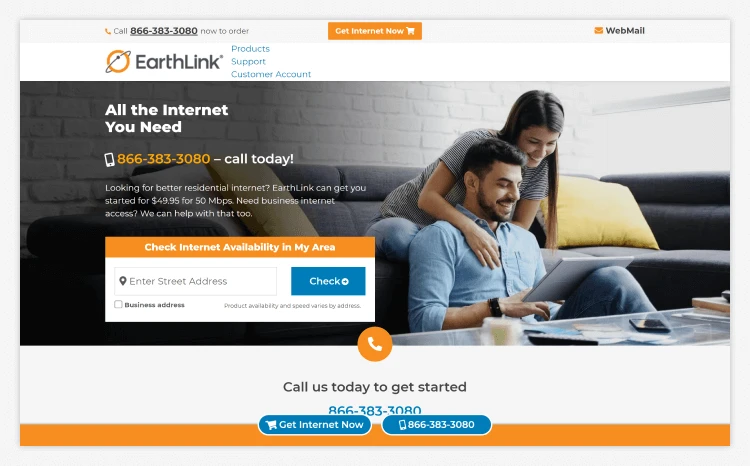
EarthLink offers fiber, wireless, and satellite internet plans with a variety of speeds. You can find a plan that fits your needs, from streaming and light internet use to heavy gaming, multi-user streaming, and even business plans with speeds up to 5000 Mbps. EarthLink also has no data caps. So you’ll never be limited when using the internet.
Pros
- No data caps
- Lots of plans to choose from
- Excellent customer service
Cons
- Plans are a bit more expensive than other ISPs.
- Availability by location
Cox
- Ideal for tech-savvy customers
- Starting price: $29.99 per month
- Connection type: Fiber
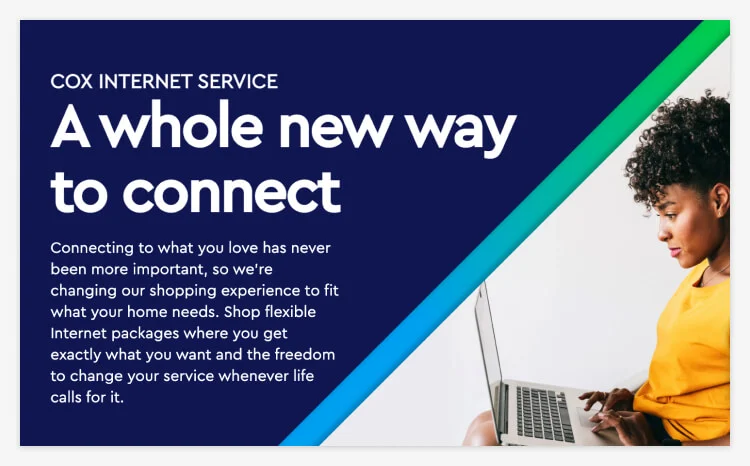
Cox is one of the best providers because it offers all the features you need and is transparent. You can get important security features like digital data destruction, vulnerability scanning, and spyware protection built into your devices. Cox also offers fast, stable, and even optimized connections for your current internet activity. Cox has over 3 million access points nationwide and whole-home Wi-Fi coverage for every area and device in your home.
Pros
- Great features at affordable prices
- Flexible plans, including prepaid internet
- Pro Gamer Mode for virtually lag-free gaming
Cons
- Only available in 19 states
- Prices are hard to pin down right away.
Verizon 5G Home Internet
- Best for streaming
- Starting price: $25 per month
- Connection type: Fiber
If you need speed, Verizon 5G Home Internet could be the ideal internet provider. With a fiber network offering speeds of up to 940 Mbps, Verizon Fios is definitely an ideal choice for gamers, streamers, and anyone who needs fast internet or uses a lot of bandwidth. Verizon has no long-term contracts and boasts a 99.99% uptime rating for fast, consistent, and unlimited bandwidth.
Pros
- High-speed connection with 99.99% uptime.
- More affordable service plans.
- A great option for gamers, families, and streamers.
Cons
- Only available in 10 states.
- No public Wi-Fi hotspots.
Verizon Fios
- Great for families and students.
- Starting price: $39.99 per month
- Connection type: Fiber
If you need speed, Verizon Fios could be the ideal internet provider. With a fiber network offering speeds of up to 940 Mbps, Verizon Fios is definitely an ideal choice for gamers, streamers, and anyone who needs fast internet or uses a lot of bandwidth. Verizon Fios has no long-term contracts and boasts a 99.99% reliability rating, offering fast, consistent, and unlimited bandwidth.
Pros
- High-speed connection with 99.99% reliability
- Service packages at a more affordable price.
- A great option for gamers, families, and streamers.
Cons
- Only available in 10 states
- No public Wi-Fi hotspots
ViaSat
- Ideal for remote users
- Starting price: $64.99 per month
- Connection type: Satellite, Hybrid DSL
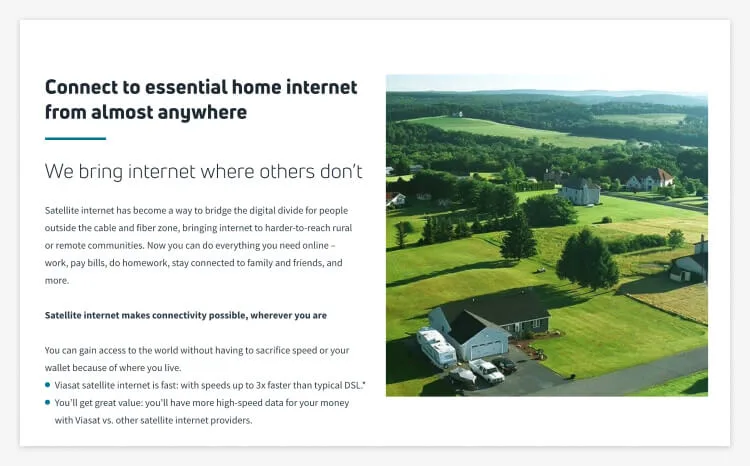
Viasat is another satellite internet provider that offers reliable service in the US, including Hawaii and Puerto Rico. It is one of the best satellite options on the market and offers a selection of packages with different upload and download speeds and data caps.
The good news is that while Viasat’s packages have data caps, you will have unlimited internet access if you subscribe, albeit at much slower speeds. Unfortunately, their prices are very high, and you will have to pay a $13 monthly equipment rental fee on top of the advertised price.
Pros
- Reasonably reliable
- Fast connections available
- Excellent national coverage
Cons
- Low data caps
- Expensive
Reviewing the Top Internet Providers: Our Methodology
oneTop10.com’s ISP reviews are based on objective facts. Our reviews are based on ISP websites, trusted third-party websites, customer reviews, and free or, in some cases, paid product trials.
It is not always possible to use a product for its entire lifespan. However, product reviewers will attempt to complete the registration process, contact customer service to verify response times, and perform any other functions that may be necessary during the review period. For the rest of the information, we rely on the brand’s own recommendations, customer reviews and complaints, ratings from independent agencies such as the Better Business Bureau (BBB), and reliable news publications.
When analyzing the ISPs included in our list, we compared the following key features:
- Price.
- Connection type.
- Download speed
- Coverage
Types of Internet Service
There are several types of Internet service, which differ in their availability and connection method. Some of the most common Internet providers are:
- DSL (Digital Subscriber Line) is one of the slowest services, but also one of the most popular.
- Cable offers faster speeds and greater reliability.
- Fiber is the fastest internet service, with many providers offering speeds in excess of 1 Gbps.
- Mobile broadband involves accessing the internet over a cellular network.
- Satellite broadband is widely available, but can be expensive and slow.
The types of internet services you have access to will depend largely on your geographic location.
How to Choose an Internet Provider
To help you choose the right internet service provider, we’ve listed some of the most important aspects to consider.
- Internet Speed
Speed is obvious. If you plan to use your internet connection for gaming or streaming, you’ll need faster upload and download speeds. But if you only need basic browsing, a slower plan should be fine.
- Customer Service
Having access to quality customer service will make your life a lot easier if you have connection issues. Reviews from previous customers often shed light on a company’s level of customer service.
- Installation and equipment costs
This is a trick that might surprise you. Some ISPs include installation and equipment costs in their monthly fees. But many don’t. Some ISPs’ installation costs can exceed $100, and equipment rental fees can run as high as $20 per month or more.
- Data Limits and Overage Fees
Pay attention to the data limits associated with the plans you’re considering. What happens if you go over your data limit? Will your connection slow down, or will you be charged a hefty fee if you go over?
- Contracts
Some providers offer no-contract services, but others require 12, 24, or even 36-month contracts. Early termination can be very expensive.
How Much Internet Speed Do You Need?
Determining the internet speed you need can be tricky. High-speed plans can be expensive. But on the other hand, you want a connection that’s fast enough to enjoy the things you want to do online.
- How to Know What a Good Internet Speed Is?
Generally speaking, any connection with a download speed of over 25 Mbps is considered “good,” while an upload speed of 3 Mbps falls into the same category. Keep in mind that you may not always get the speeds your ISP advertises.
- How to Measure and Test My Internet Speed.
There are many tools online that can test your internet speed. Our favorite is Google’s built-in tool. Simply type “Internet Speed Test” into the Google search box and follow the instructions.
- How to Know If I Need More Internet Speed?
If you’re having trouble doing what you want to do online, you may need a faster connection. For example, if your video stream is constantly buffering or not streaming at high quality, or if your gaming experience is sluggish, you may need a faster connection.
How Much Does an Internet Service Provider Cost?
The average price of an internet subscription varies considerably depending on your geographic location. In urban areas, you shouldn’t have any trouble finding a basic plan for $30 per month or less. High-speed plans are more expensive, but prices rarely exceed $100 per month.
On the other hand, you can expect to pay much more if you live in a rural or remote area. Mobile broadband or satellite internet are often the only options available and can be much more expensive.
You should also pay attention to any other fees associated with your connection. These can include installation fees, which can exceed $100, equipment rental fees, and data overage fees. Data overage fees can be particularly high, and you could end up paying hundreds of dollars if you accidentally go over your data limit.
Final Thoughts on Picking an Internet Service Provider
It’s important to take your time when choosing a new Internet service provider. Understanding the terms of the contract, pricing structure, and what each plan includes can be difficult. Follow the tips above and don’t hesitate to research the options available in your area.
Once you’ve decided on the type of connection you need, it’s a good idea to set a budget and adjust your connection speed accordingly. Make a shortlist of providers that meet your criteria and research them in more detail.
Of course, in most cases, you’ll only have a few options that offer the service you need, which makes the selection process easier.
Finally, remember to pay close attention to hidden fees and contract terms to avoid any unpleasant surprises later.