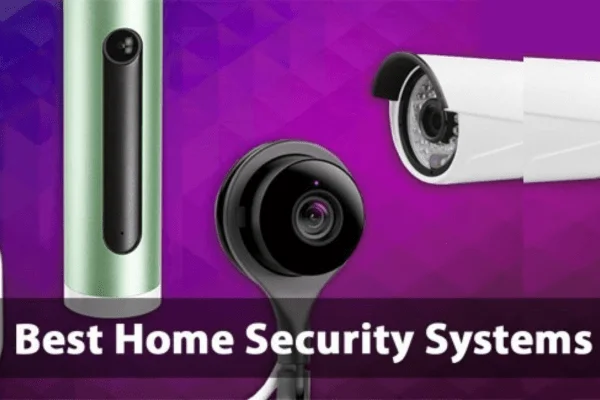
According to the FBI, there were more than half a million home burglaries in the United States in 2019, and more than 50% of them occurred during the day. Why should these statistics concern you? Because if you don’t take preventative measures to protect your home and belongings, you too could become a victim.
A reliable security system can help protect your home, your belongings, and your family.
This guide will help you understand the features and cost of the 10 best home security systems in the 2223 zip code so you can make the best decision.
Our Top 10 Best Home Security Systems and Companies:
- ADT – Best Home Security System
- Vivint – Best for Smart Security
- SimpliSafe – Best for Hassle-Free Coverage
- Cove – Best for 360° Security
- Frontpoint Security – Best for Budget Options
- SecurityPricer – Best for Comparison
- ADT Self Setup – Best for Short-Term Contracts
- Scout Alarm – Best for Do-It-Yourself Installation
- Link Home Security – Best for Wireless Installation
- Deep Sentinel – Best for Real-Time Monitoring
Our Methodology: How We Reviewed the Best Home Security Systems & Companies
To ensure you get the best advice and information when comparing home security companies, we test the systems we recommend in the real world whenever possible. We also analyze user reviews and social media reviews. Our comprehensive methodology is based on the following factors:
Upfront and monthly costs.
- Ease of Installation
- Ease of Use
- Quality of Hardware and Software
- Mobile App Functionality
- Customer Support
- Customer Reviews
Our Top 10 Best Home Security Systems
ADT is a trusted home security company
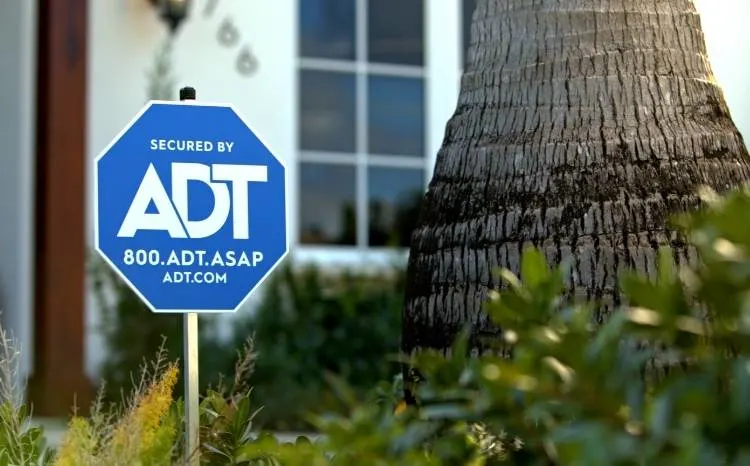
ADT is a Trusted Home Security Company with over 140 years of experience in the industry. They offer a wide range of services, including 24/7 monitoring, professional installation, and a variety of hardware options, such as cameras, door and window sensors, and smart home devices.
StarLinkHow cybersecurity expert Andrew Sinden says that ADT is “a reputable company with a long history of providing comprehensive and reliable security solutions.” This sentiment is reflected in ADT’s many positive customer reviews and its six-month money-back guarantee, which is the longest full refund period on our list.
Why we chose ADT: They use smart home integration and provide comprehensive 24/7 protection. You can even monitor your home and security system from anywhere in the world via their mobile app.
Our experience: Installation was quick and easy. The technician also helped us install the mobile app and put up a sign in the yard indicating that the home has a security system.
Read ADT review
PROS
- 24/7 professional monitoring
- Personalized security systems
- Mobile app has overwhelmingly positive reviews
CONS
- Three-year fixed contract
- Requires professional installation
Vivint
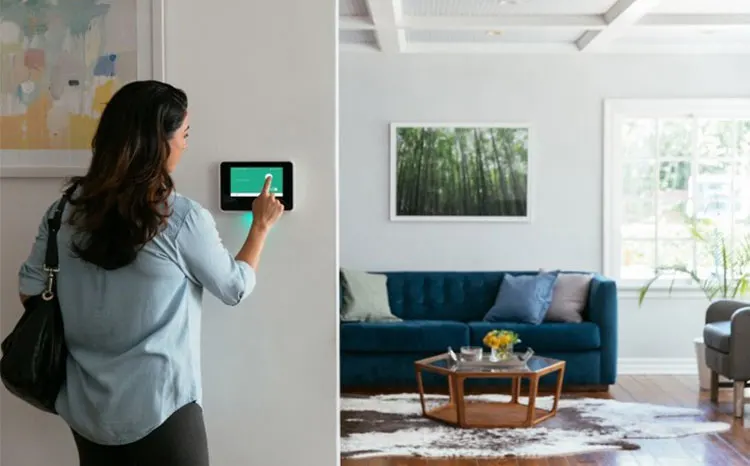
Vivint is a highly rated company that offers several smart security packages. Its app gives you complete control over your home, allowing you to turn lights on and off, monitor security cameras, and lock and unlock doors right from your phone.
WireQuality Editor-in-Chief Raj describes Vivint as a provider of innovative home technology and highlights its commitment to ease of use, seamless connectivity, and improving homeowner safety and convenience.
Why we chose Vivint: Vivint’s professional installers assess your home before recommending equipment, so you get personalized service from day one. They even offer energy management services to save you money on your energy bill.
Our experience: We liked Vivint’s Smart Deter technology, which uses sounds and lights to deter would-be burglars as soon as security sensors detect them.
Read the Vivint review
PROS
- Innovative Smart Deter technology
- Customized security solutions
- Integrates with smart home automation devices
CONS
- Unlimited money-back guarantee
- No self-installation options
SimpliSafe
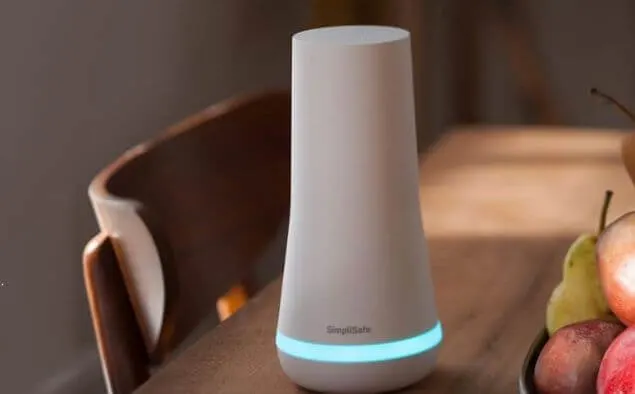
SimpliSafe offers easy-to-use, reliable, and customizable wireless security systems with 24/7 monitoring. You can choose the level of service you need for installation (professional or self-installation) and monitoring.
“SimpliSafe is a great, affordable option that’s easy to install and use,” says Eric Lee, co-founder of real estate investment firm REI Insiders. Most of their devices, like smart doorbells and locks, can also be connected.
Why we chose SimpliSafe: SimpliSafe’s wireless systems don’t require professional installation, although they do offer it as an option. What’s more, all of their contracts are monthly, so you don’t have to sign an annual contract like other companies.
Our experience: Setting up the monitoring system and connecting the components is easy thanks to the included adhesive pads. Accessing customer support was also very convenient. We especially liked their live chat feature.
Read SimpliSafe review
PROS
- Easy installation, no drilling required
- Works with Wi-Fi and cellular networks
- No contracts
CONS
- Various integrations with smart home systems
- Not as reliable as other systems
Cove
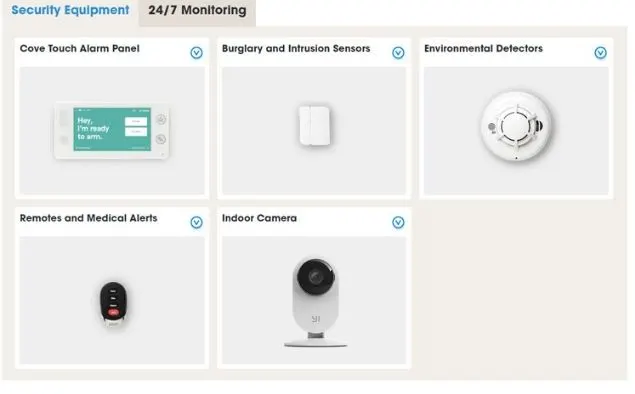
Cove offers high-quality home security equipment, including video surveillance, smart sensors, and alarm systems. Its installation process is very simple, and user reviews are very positive.
To use Cove’s products, you need to subscribe to one of two monthly professional monitoring plans: Cove Basic or Cove Plus. Cove Plus includes the use of security cameras, while Cove Basic does not. Cove does not require a contract, but make sure you keep up with your monthly payments, otherwise your devices will stop working.
Why we chose Cove: Its security system has 24/7 customer support and is compatible with Android and iOS mobile devices. All products also come with a 60-day money-back guarantee.
Our experience: We liked the fact that Cove offers 24/7 emergency access through the system, which we haven’t seen with other standalone solutions.
Read the Cove review
PROS
- Easy setup
- Affordable monthly fees
- Customized security solutions
CONS
- Only available in the US
- Users complain about a buggy mobile app.
Frontpoint
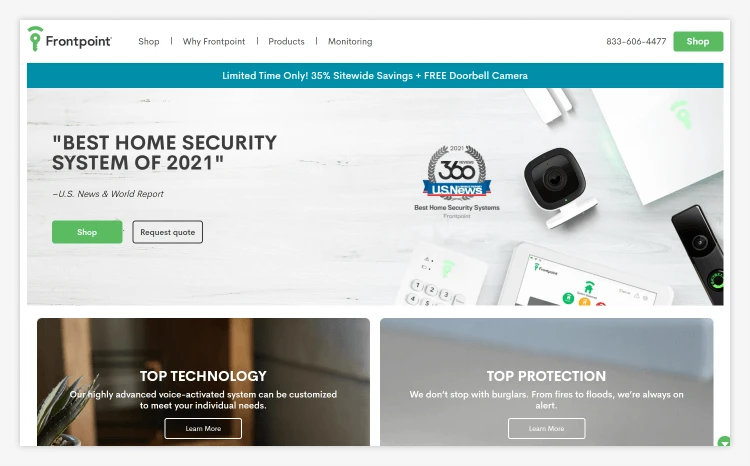
Frontpoint Security is ideal for those with unstable Wi-Fi connections.
Their service is exceptional; customer support is available from 8am to 5pm, and until 11pm on weekends. They offer security combined with smart technology. Their devices are integrated with Google Assistant and Alexa.
Why did we choose Frontpoint Security? They are ideal for renters and you can take them with you when you move.
Our experience: We evaluated the potential for leveraging our investment and compared to buying outright, they were the most cost-effective option. We are very happy with them.
Frontpoint Security Review
PROS
- and:
- Quick and easy installation
- Excellent customer service
CONS
- No options available
- Monthly recurring costs
SecurityPricer
SecurityPricer is a comparison site that offers free quotes from the best home security companies on the market. While it’s not a home security provider itself, it allows you to compare prices and features of companies in your area.
It shows you options from home security brands after you enter your address and answer a few questions about your security preferences. You can even schedule an appointment online.
Why we chose SecurityPricer: SecurityPricer is completely free. It’s a particularly useful resource for comparing services and making the best purchasing decision for your needs.
Our experience: While it was easy to find basic information, we would have preferred not to visit each brand’s website for more detailed information.
Read SecurityPricer review
PROS
- Free quotes from home security providers near you
- Easy-to-use platform
- Works with leading home security brands
CONS
- Not actually a home security system
- Search results may be limited
ADT Self Setup
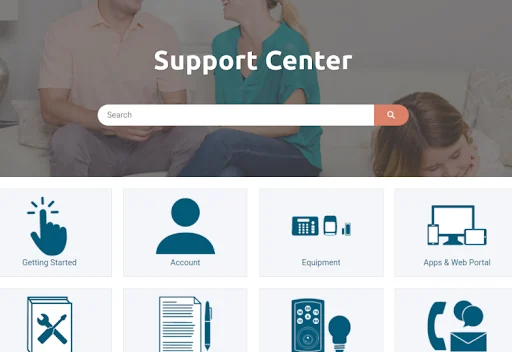
ADT Self-Configuring is ADT’s do-it-yourself security solution. It allows you to install and monitor your home security system without professional help.
The system includes features like door and window sensors, motion detectors, and a mobile app for remote control and monitoring. The advantage is that you get a flexible security system with excellent service, similar to professionally installed ADT security systems.
Why we chose ADT Self-Configuring: It’s an ideal option for beginners who want to save on installation costs and immediately take control of their home security.
Our experience: ADT’s AutoSetup product integrates with Google Nest, making it much easier to set up the system and connect it to our smartphones and other compatible devices.
Read the ADT AutoSetup review
PROS
- Choose between self-monitoring or professional monitoring
- Easy installation
- Smart home integration
CONS
- No long-term contracts
- Smoke alarm does not detect carbon monoxide
Scout
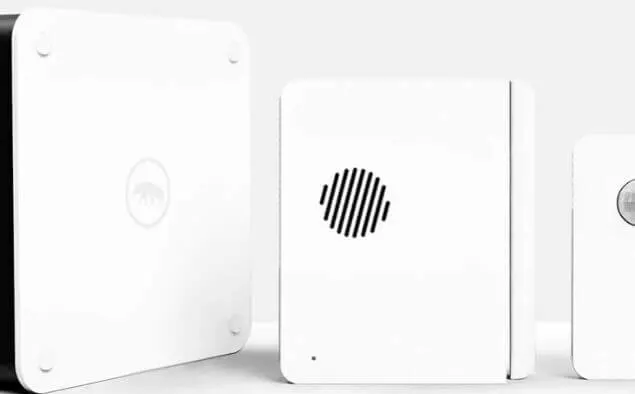
Scout Alarm’s core offering is a modern, easy-to-use home security system that can be customized to meet the needs of every homeowner.
The self-monitoring plan (Always On) costs $9.99 per month, while the professional monitoring plan (Always On+) costs $19.99 per month. Key features include customizable phone and email notifications, as well as cellular and battery backup.
Why we chose Scout Alarm: You can set up the security features you want for your home without any setup fees. The more advanced plan sends alerts to the police and fire departments in the event of an emergency.
Our experience: It took us just 45 minutes to set up the basic Scout package. The process was as simple as connecting the Scout Hub to your Wi-Fi router with an Ethernet cable, entering the setup code from the QuickStart card, and authorizing the Hub to sync with each device.
Read Scout Alarm review
PROS
- Integrates with multiple smartphone apps
- Affordable and low-maintenance hardware
- 24/7 professional monitoring with the advanced plan
CONS
- Doesn’t include external cameras
- Not yet compatible with 5G technology
Link Interactive
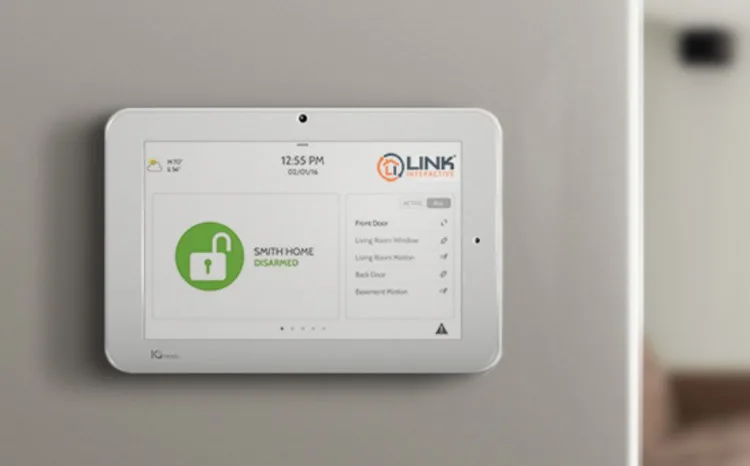
Link Interactive is a security service that lets you do the initial setup yourself, but also offers support when you need it. If you’re having trouble setting up your system, Link’s customer support center has experts to help you.
Their systems are highly customizable, and their contracts are flexible and include cancellation fees (meaning you can cancel without paying), making it easy to customize your setup to suit your needs. You can also add security cameras, add home automation devices, and install security alarms.
Why did we choose Link Interactive? You can choose individual components for your system, such as glass break sensors, automatic lights, and panic buttons. There’s no need to buy a more expensive package with multiple components.
Our experience: Wireless technology eliminates the need to run cables between rooms or drill into walls. Since the motion sensors and detectors are easy to install (just peel and stick), we liked the ease of use of the product.
Read the home security review
PROS
- No drilling required, easy to install
- Wide range of components to customize the system
- Three-year manufacturer’s warranty
CONS
- Unprofessional installation
- Long-term contract
Deep Sentinel
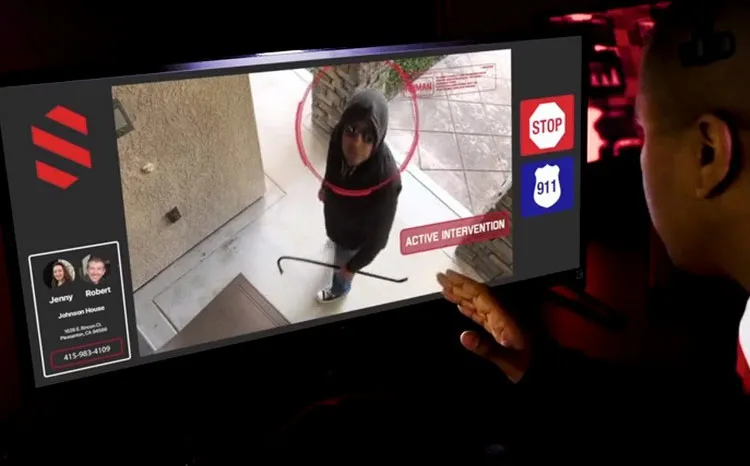
Deep Sentinel is an innovative security company that uses advanced technology to prevent crime. Its security system includes facial recognition software and real-time video surveillance, essential features of a truly powerful security product.
Deep Sentinel uses artificial intelligence and professional 24/7 surveillance. Its video feed is also analyzed by an AI-powered center to detect potential threats.
Why we chose Deep Sentinel: With an easy-to-use mobile app and excellent AI technology, Deep Sentinel is a cutting-edge and reliable security solution.
Our experience: Although they are more expensive than other companies, we liked that their security guards are specially trained and can respond quickly when needed.
Read the Deep Sentinel review
PROS
- Cameras equipped with two-way audio.
- 24/7 professional human monitoring
- Artificial intelligence-based threat detection system
CONS
- Lack of smart home integration
- Value
Comparing the Best Home Security Systems & Companies
Our home security system comparison chart shows the prices, money-back guarantees, and warranty periods of the companies we reviewed. When comparing home security systems, consider factors such as hardware options, monitoring services, and customer support. Read reviews and check ratings from reputable sources to make sure you’re choosing a company you can trust. Finally, consider any additional features or services that are important to you, such as home automation integration, mobile backup, or mobile app control.
Who Should Consider Getting a Home Security System?
*Free professional installation of Nest doorbell. Requires 36-month monitoring contract starting at $56.99/month. With QSP (24-month monitoring contract in California, total fees starting at $1,367.76) and ADT EasyPay enrollment. Offer includes one (1) Nest doorbell installation with a minimum price of $599 after geographic promotion. Maximum discount: $229. The Nest Doorbell is available with either a wired or battery-powered option. Offer valid for new ADT customers only. Limit: one per customer, not combinable with other offers. If the customer terminates the agreement early, ADT may charge 75% of the monthly service fee for the remainder of the original agreement term. The Quality Service Plan (QSP) is ADT’s extended limited warranty. Service and installation fees vary based on system configuration, hardware, and services selected. Google and Nest Doorbell are trademarks of Google LLC. Some features, such as mobile notifications, remote control, video streaming, and recording, require an internet and Wi-Fi connection. Minimum operating system requirements are available at g.co/home/req. iOS is a trademark of Cisco and is used under license. Expires November 30, 2023.
Home security systems are an important investment in protecting your home and family. They include a range of sensors and technologies that help protect what’s most important to you, both inside and outside your home.
If you have people working in your home, such as cleaning or maintenance staff, indoor cameras also allow you to verify that they’ve completed their work and haven’t damaged or stolen anything. Additionally, you can identify anyone trying to steal your packages with a home security camera and sensors. You can even deter theft by using an alarm that goes off when someone approaches your front door or porch.
How Do Home Security Systems Work?
What Are Common Components of a Security System?
Home security systems work with a combination of sensors, cameras, and alarms to detect and respond to potential intruders. Common components include:
Control Panel
A central control panel connects to various sensors and cameras in your home. You can use it to turn the system on and off, and depending on the type of system, you can also monitor your home in real time via a mobile app or web portal.
Video Surveillance
Video surveillance, also known as closed-circuit television (CCTV), uses cameras to monitor specific areas. The cameras record video footage that you can also view in real time. Video surveillance significantly reduces crime in residential areas and can help identify potential suspects if a crime occurs.
Burglar Alarms
When a sensor is triggered, an alarm sounds to alert you and those around you of a possible intrusion. Burglar alarms can be installed as a standalone system or as part of a more comprehensive home security package.
Motion Sensors
When a sensor detects movement or other disturbance in an area, it sends a signal to the control panel, activating the alarm and/or sending a signal to your connected smartphone.
Contact Sensors
A contact sensor, also known as a door/window sensor or magnetic sensor, detects when a door, window, or other entry point is opened or closed. A magnet is placed on the door or window, and an entry sensor is attached to the frame. When someone opens the door or window, the magnet moves away from the sensor, activating the alarm.
Glass-Break Sensors
These sound detectors are activated when a portion of the window or door glass is broken, which may indicate the presence of an intruder. They can be wired or wireless. Some models have adjustable sensitivity levels or the ability to distinguish the sound of broken glass from other loud noises.
Yard Signs and Stickers
When thieves know your home has a security system, they are much less likely to break in and look for another target. Many companies offer garden signs and tags to show that your home is protected. The stickers are usually placed on various doors and windows in the house, and the sign is placed in front of them.
Environmental Sensors
Environmental sensors monitor various conditions in a home or building:
- Presence of fire and smoke.
- Dangerous levels of carbon dioxide.
- Extreme temperature fluctuations.
- Humidity levels.
- Water leaks.
- Air quality.
Choosing the Right Home Security System
When choosing a home security system, follow these steps:
1. Assess Your Security Requirements
Inspect your home or property and look for potential entry points for thieves.
2. Determine Your Budget
Calculate how much you are willing to spend compared to the value of your belongings.
3. Conduct Thorough Research
Before choosing a security system, research and compare available security devices and features based on reviews from other users.
4. Decide Between Professional or DIY Installation and Monitoring
If you decide not to do this, choose a company or package that includes professional installation and 24/7 monitoring.
5. Consult With a Professional
If you are hiring a professional installation company, you can meet with a representative to discuss your needs.
How Much Does a Reliable Security System Cost?
On average, the initial cost of a home security system can range from $200 for a do-it-yourself kit to over $1,000 for a professionally installed and monitored system. Monitoring costs typically range from $20 to $50, depending on whether the system is self-contained or professionally monitored.
Indoor camera systems cost around $100, and outdoor cameras cost around $200. Door and window sensors typically cost around $30, while ambient smoke and carbon monoxide detectors average around $100.
Systems with basic sensors are typically less expensive than systems with smart home integration and more advanced devices (such as advanced security cameras and smart doorbells).
Exploring Different Types of Home Security Systems
There are several types of home security systems. Some of the most common are:
Wired Systems
These connect to the home’s electrical system and typically require professional installation. They are more reliable than wireless systems, but tend to be more expensive and more difficult to install.
Wireless Systems
These systems use wireless technology (Wi-Fi or cellular) to connect to various security components. They are easier to install than wired systems and are usually less expensive, but they are less reliable in areas with poor coverage.
Monitored Systems
These systems are usually home security packages that are installed by professionals and connected to an external monitoring center. They provide more peace of mind, but are more expensive than unmonitored systems.
Unmonitored Systems
Unmonitored systems are less expensive than monitored systems, but they are less reliable. They require you to manually respond to alarms and alerts.
Do-it-yourself home security systems: a convenient option
Do-it-yourself systems, such as SimpliSafe and Cove, are ideal if you only have basic security needs. They are typically the best security systems for renters because they are designed to be easy to install and remove. Plus, you’ll save money on the cost of the system by installing and monitoring it yourself, which is perfect if you’re on a tight budget.
However, DIY products can’t provide the same level of security and reliability as a professional. You need to make sure they’re installed correctly and that all sensors and cameras are working properly. You’ll also need to personally monitor the system and respond to any alarms or warnings. This can be time-consuming and not possible if you have a busy schedule or limited technical knowledge.
DIY Home Security Systems: A Practical Option
Professional systems like Brinks Home Security and Vector Security are the best home security systems. They’re tailored to your security needs, whether they’re one-time or long-term, and/or to protect high-value items. They also offer 24/7 monitoring and respond to intrusion alarms or other security breaches.
Professional Home Security Systems: Enhanced Protection
Professional systems like Brinks Home Security and Vector Security are the best home security systems. They’re tailored to your security needs, whether they’re one-time or long-term, and/or to protect high-value items. They also offer 24/7 monitoring and respond to intrusion alarms or other security breaches.
Useful Tips for Home Security Systems
You can ensure that your home security system provides the level of protection you need by following these tips:
- Choose the right package. Home security systems come in a variety of configurations, so choose one that fits your specific needs. Consider factors such as the size of your home, the level of security you need, and your budget.
- Install the system correctly. Proper installation is essential for the proper functioning of your security system. If you don’t want to install it yourself or don’t feel comfortable doing so, it’s a good idea to hire a professional.
- Check your devices. Whether you choose a monitored or unattended system, regularly check your security system to make sure that all devices are working properly. This will help you detect any problems before they become serious.
- Monitor the system regularly. If you have a self-monitoring system, you should review surveillance footage frequently and respond quickly to any alarms or alerts. This will also help you detect if someone is watching your home for a possible burglary.
- Take extra security measures. It’s a good idea to install locks on all exterior doors, use motion-sensing lights, and trim any bushes or trees that could be hiding places for thieves.
Additional Home Security Systems We’ve Reviewed
In addition to the providers listed above, we also reviewed the following companies using the same methodology:
- Guardian Protection: Best mobile app with personalized automations.
- CenturyLink: Best for home security packages with connectivity options.
- Protect America: Best DIY system with no upfront costs.
Interesting Articles on Home Security
- 10 signs someone is spying on your home
- The 10 states with the highest burglary rates in the US
- 10 weird things people have caught on their security cameras
Protect Your Home Effectively
Regardless of size, type, or location, every home benefits from a security system, especially to deter burglars from breaking in. With the right security system, you can enjoy greater peace of mind and protect your home and loved ones from potential threats.